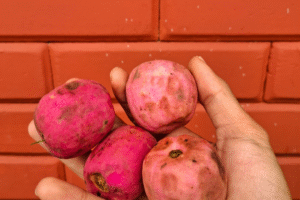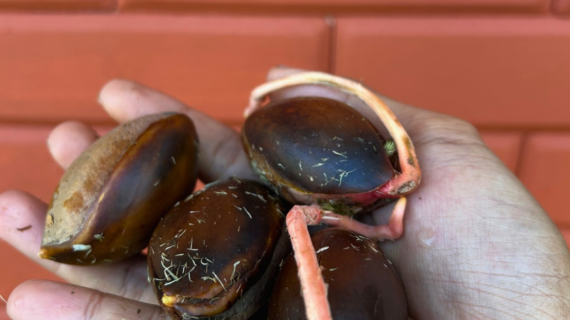
Top 10 Rare Indonesian Fruit Trees You Can Grow From Seed
Indonesia is home to an extraordinary diversity of tropical fruit trees, many of which remain little known outside their native regions. From unusual mango relatives to culturally significant rainforest fruits, these species offer something different from the familiar fruit trees found in most gardens.
Better yet, several can be grown from fresh seed. Although seed-grown trees usually require more patience than grafted specimens, they allow collectors to experience the entire journey from germination to maturity.
If you are looking for rare Indonesian fruit trees with botanical, cultural, and horticultural interest, these ten species are worth exploring.
1. Mangifera casturi — Kasturi Mango
Mangifera casturi, commonly known as kasturi, is one of Indonesia’s most fascinating mango relatives. Native to South Kalimantan, this species has become particularly significant because it is considered extinct in the wild and survives through cultivation.
The tree produces small mango-like fruits with aromatic flesh and a distinctive flavor. For collectors, however, its significance goes beyond the fruit itself.
Growing Mangifera casturi from seed gives you the opportunity to preserve and cultivate a species with an important connection to Indonesian botanical heritage.
2. Mangifera pajang — Bambangan Mango
Native to Borneo, Mangifera pajang is another fascinating member of the mango family. Often associated with the name bambangan, it produces large fruits and can develop into a substantial tropical tree.
Unlike conventional mangoes, this species has a distinctly wild character that appeals to collectors interested in unusual Mangifera.
With sufficient warmth, humidity, space, and good drainage, a seed-grown tree can develop into an impressive long-term specimen.
3. Baccaurea angulata — Belimbing Dayak
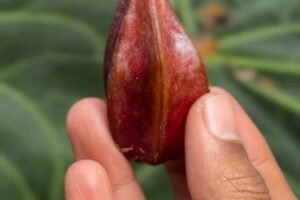
Baccaurea angulata stands out immediately because of its unusual fruit shape. Native to Borneo, this species produces angular, ribbed fruits that can appear almost star-like when viewed in cross-section.
It belongs to the Phyllanthaceae family and grows naturally in tropical environments. Once established, it appreciates warm conditions, adequate moisture, and fertile soil.
For collectors, the unusual fruit makes this species especially attractive—not only as a fruit tree but also as a botanical curiosity.
4. Stelechocarpus burahol — Kepel
Stelechocarpus burahol, commonly called kepel, has a particularly strong connection to Javanese history and culture.
Native to Java, the tree produces rounded fruits that develop directly along the trunk and larger branches, giving it a distinctive cauliflorous appearance.
Historically, kepel was associated with royal gardens and traditional culture in Java. Today, it remains an intriguing choice for collectors who want to grow a fruit tree with both botanical and cultural significance.
5. Pouteria campechiana — Canistel
Although Pouteria campechiana has a wider distribution than some of the species on this list, it remains an interesting tropical fruit tree for collectors in Indonesia and other warm climates.
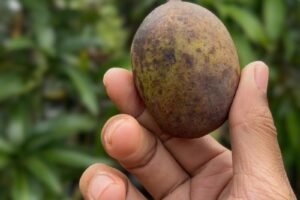
The fruit has dense, yellow flesh with a texture often compared to cooked egg yolk, which explains its common name, eggfruit.
Canistel generally grows well in warm tropical conditions and can be propagated from seed. Given adequate space and sunlight, a seed-grown tree can eventually become a productive fruiting specimen.
6. Theobroma bicolor — Mocambo
Theobroma bicolor is a close relative of cacao and offers an excellent opportunity to explore a lesser-known member of the genus.
Known by names including mocambo, pataxte, and white cacao, it produces large fruits containing seeds surrounded by edible pulp.
Compared with the familiar Theobroma cacao, this species remains much less commonly cultivated commercially. As a result, it has considerable appeal for collectors interested in unusual edible plants and botanical relatives of important crops.
7. Mangifera foetida — Bachang
Mangifera foetida, commonly known as bachang or bacang, is another Southeast Asian mango relative with strong connections to Indonesia.
The tree can become large and productive under suitable tropical conditions. Its fruits have a distinctive aroma and flavor that set them apart from conventional mango cultivars.
Because it is a vigorous tropical tree, provide plenty of growing space from the beginning. A seed-grown specimen can eventually become a substantial landscape tree as well as a source of unusual fruit.
8. Nephelium ramboutan-ake — Pulasan
Pulasan, Nephelium ramboutan-ake, belongs to the same family as rambutan and produces fruits with a similar overall appearance.
However, the fruit has its own characteristics, and the species remains considerably less common in cultivation than rambutan.
For tropical collectors, pulasan provides an opportunity to grow a close relative of a familiar fruit while exploring a less commonly cultivated species.
Like other tropical Nephelium, it prefers warm temperatures, humidity, fertile soil, and sufficient moisture during active growth.
9. Annona muricata — Soursop
Annona muricata, widely known as soursop or graviola, is more familiar than many species on this list, but it remains an excellent tropical fruit tree for seed-grown collections.
The large, spiny fruits contain aromatic white flesh with a sweet and tangy flavor. The tree grows well in warm climates and can develop relatively quickly when provided with good growing conditions.
For collectors beginning their tropical fruit collection, soursop can also be a practical introduction to growing fruit trees from seed.
10. Salacca zalacca — Snake Fruit
Salacca zalacca, commonly known as salak or snake fruit, is one of Indonesia’s most distinctive fruit crops.
The palm-like plant develops clusters of fruits covered in reddish-brown, snake-like scales. Inside, the crisp flesh can range from sweet to pleasantly acidic depending on the cultivar.
Indonesia has developed numerous local salak varieties, making the species particularly interesting for collectors interested in regional fruit diversity.
Because Salacca produces an underground or short-stemmed growth form rather than a conventional tree canopy, it can also fit into tropical gardens where space for large fruit trees is limited.
Why Grow Rare Fruit Trees From Seed?
Growing from seed requires patience. A seed-grown tree may take considerably longer to reach fruiting maturity than a grafted or vegetatively propagated plant.
Nevertheless, that slower development comes with several advantages.
First, seeds are often more accessible and affordable than established specimens. Second, growing from seed lets you experience the complete development of the plant. Finally, for collectors interested in genetic diversity and conservation, raising unusual species from seed can be particularly rewarding.
However, remember that seed-grown fruit trees may not always reproduce the exact characteristics of a named cultivar. If you want a specific cultivar with predictable fruit characteristics, vegetative propagation may be preferable.
Fresh Seed Matters
When growing tropical fruit trees from seed, freshness can have a major impact on germination.
Many tropical fruit seeds do not tolerate prolonged drying or storage. Instead, they remain viable for a relatively short period after extraction from the fruit.
Consequently, fresh, properly handled seed generally provides a better starting point than old seed that has spent months in unsuitable storage conditions.
Before purchasing, ask the seller when the seeds were collected, how they were stored, and whether the species has particular germination requirements.
Consider Your Climate Before Planting
Most of these species come from warm tropical or subtropical environments. They generally perform best with consistently warm temperatures, good moisture availability, and adequate sunlight.
If you live in a tropical climate, you can often grow them outdoors once the seedlings become established.
In cooler climates, however, young plants may require a greenhouse, heated growing space, or carefully controlled indoor environment. Prolonged exposure to cold can slow growth or seriously damage tropical species.
Therefore, research the climate requirements of each species before purchasing seed.
Grow a Piece of Indonesian Botanical Heritage
Rare Indonesian fruit trees offer much more than unusual fruit. They represent the remarkable diversity of Indonesia’s forests, farms, gardens, and regional food cultures.
From the endangered-in-the-wild Mangifera casturi to the distinctive Baccaurea angulata and culturally significant Stelechocarpus burahol, each species brings a different story to a collection.
Growing these plants from seed takes time, but that is also part of the experience. With fresh seed, suitable growing conditions, and patience, you can watch an unusual tropical species develop from a tiny seed into a living botanical specimen.
Browse our rare Indonesian fruit species collection and discover tropical fruit species suitable for collectors interested in growing unusual plants from seed.