Baccaurea angulata: Growing the Rare Angular Fruit of Borneo
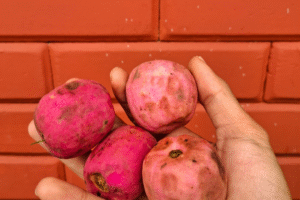
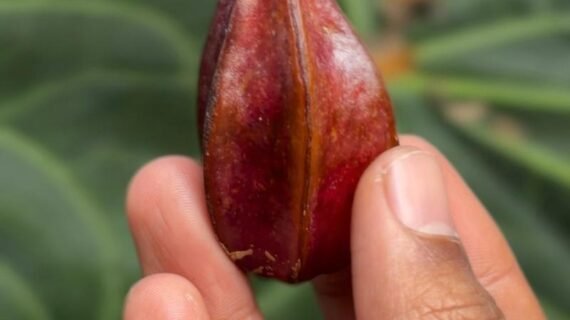
Baccaurea angulata is one of Borneo’s more unusual tropical fruit trees. Known for its distinctive ridged, angular fruit, this member of the Phyllanthaceae family remains relatively uncommon outside its native Southeast Asian range.
For collectors who have already explored familiar tropical fruits such as mango, rambutan, and citrus, Baccaurea angulata offers something genuinely different. Its unusual fruit, tropical growth habit, and limited availability make it an interesting addition to a specialist fruit collection.
A Rare Fruit Tree From Borneo
Baccaurea angulata occurs naturally in parts of Borneo, where it grows in warm, humid tropical environments.
The species is adapted to the conditions of Southeast Asian forests, so temperature and moisture play important roles in successful cultivation. Young plants generally appreciate protection from harsh sunlight while they establish, particularly when grown outside their native climate.
If you live in a tropical region, growing Baccaurea angulata outdoors can be relatively straightforward once the plant becomes established. In cooler climates, however, a heated greenhouse or other controlled environment may be necessary.
What Makes Baccaurea angulata So Unusual?
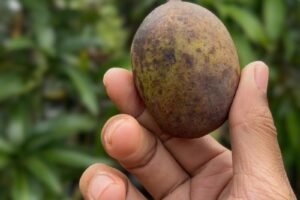
The fruit is undoubtedly its most recognizable feature.
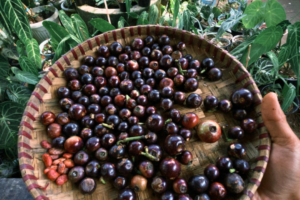
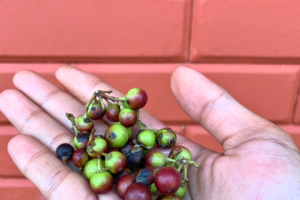
Unlike the smooth or oval fruits of many familiar tropical trees, Baccaurea angulata produces fruit with prominent ridges that create an angular appearance. When developing in clusters, the fruits can create an especially striking display on the tree.
This unusual morphology makes the species attractive even before you consider its culinary qualities.
The fruit is generally appreciated for its refreshing, acidic flavor, making it quite different from the rich sweetness associated with many cultivated tropical fruits.
For collectors, that combination of unusual appearance and distinctive flavor is part of what makes the species worth growing.
Growing Conditions
Because Baccaurea angulata comes from a tropical environment, warmth should be a priority.
Young plants grow best when temperatures remain consistently warm, with protection from prolonged cold or sudden temperature drops.
Light
Provide bright filtered light or partial shade while young.
As the tree becomes established, you can gradually increase its exposure to brighter conditions. In tropical climates, mature specimens can generally handle considerably more sunlight than young seedlings.
Avoid moving a shade-grown seedling directly into intense midday sun, as sudden exposure can scorch tender foliage.
Soil
Use fertile, moisture-retentive soil with good drainage.
The roots need consistent access to moisture, but the growing medium should not remain permanently saturated. Organic-rich soil can support vigorous growth while helping maintain the moisture levels tropical trees prefer.
If growing in a container, choose a potting mix that holds moisture without becoming compacted.
Water
Keep young plants consistently hydrated, particularly during periods of active growth.
Rather than allowing the root zone to dry completely, maintain moderate moisture and adjust watering according to temperature, humidity, container size, and rainfall.
As the tree matures, its larger root system should make it more resilient to short periods of reduced moisture.
Growing Baccaurea angulata From Seed
Starting Baccaurea angulata from seed can be particularly rewarding because you experience the development of the tree from its earliest stage.
However, seed freshness matters.
Tropical fruit seeds can lose viability relatively quickly, depending on their natural biology and how they are handled after harvest. Therefore, fresh seed from a reliable source generally gives you a better starting point than seed that has spent an extended period in storage.
Preparing the Seed
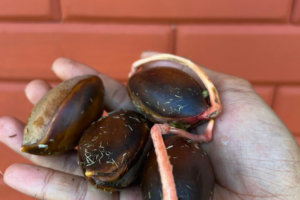
Remove any remaining fruit material carefully and inspect the seed before planting.
If the species responds well to soaking, a short soak in clean water can help hydrate the seed. However, avoid assuming that every tropical seed requires prolonged soaking.
Instead, focus on maintaining appropriate moisture in the growing medium.
Planting Medium
Use a loose, well-draining propagation medium that retains moderate moisture.
A mixture containing sphagnum moss, coco coir, perlite, or similar components can provide a suitable environment for many tropical fruit seeds.
Avoid heavy garden soil during early germination, particularly in containers with poor drainage.
Temperature and Humidity
Warm conditions encourage tropical seeds to germinate more reliably.
Aim for a stable, warm environment rather than repeatedly exposing the seed to temperature fluctuations. Moderate humidity also helps prevent the seed and emerging root from drying out.
Once the seedling emerges, gradually increase airflow while maintaining adequate moisture.
Caring for Young Seedlings
After germination, resist the temptation to expose the young plant to full sun immediately.
Young Baccaurea angulata seedlings generally benefit from partial shade while they develop their first leaves and establish their root system.
Keep the growing medium evenly moist and provide good drainage. Once the seedling begins producing vigorous new growth, gradually introduce stronger light.
At this stage, stability matters more than rapid growth. Avoid constantly moving the plant between different environments.
How Long Until It Fruits?
One of the biggest considerations when growing rare tropical fruit trees is patience.
A seed-grown Baccaurea angulata will generally require considerably more time to reach fruiting maturity than a mature nursery tree or vegetatively propagated specimen.
The exact timeline depends on genetics, climate, nutrition, growing conditions, and propagation method.
Therefore, do not purchase seed expecting an immediate harvest.
Instead, think of the process as a long-term botanical project. Watching an unusual Bornean fruit tree develop from a single seed into a mature specimen is part of the experience.
Why Collectors Grow Baccaurea angulata
Baccaurea angulata offers several qualities that make it particularly appealing to tropical fruit collectors.
Its fruit looks unlike that of most familiar cultivated species. Its natural distribution connects it to the rich biodiversity of Borneo. Furthermore, its relative scarcity in international horticulture gives collectors an opportunity to grow something that remains largely unknown outside Southeast Asia.
For collectors, that combination can be more valuable than simply choosing the fastest-growing or most productive fruit tree.
Start With Fresh, Properly Sourced Seed
When growing a rare species from seed, the quality and freshness of the starting material matter enormously.
Choose a supplier that can accurately identify the species and provide information about how the seed was collected and handled. Fresh tropical seed generally deserves prompt planting rather than prolonged storage.
Also remember that international buyers should check their country’s import requirements before ordering plant material. Seeds may be subject to plant-health and quarantine regulations depending on the destination.
Grow a Piece of Bornean Biodiversity
Baccaurea angulata is more than an unusual fruit tree. It represents the extraordinary diversity of tropical Southeast Asia and offers collectors a chance to explore fruit species that rarely appear in conventional gardens.
Give it warmth, moisture, suitable light, fertile soil, and plenty of patience. In return, you can eventually grow a distinctive Bornean tree with fruit that looks almost as unusual as the species itself.
View Baccaurea angulata seeds and start growing this distinctive Bornean fruit tree from seed.