Syzygium Species Spotlight: Rare Myrtaceae Trees Worth Collecting
The genus Syzygium belongs to the Myrtaceae family and includes hundreds of species distributed across tropical Asia, Australia, and the Pacific. While a handful have become familiar fruit trees or ornamental plants, many others remain almost unknown in cultivation.
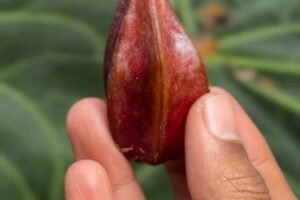
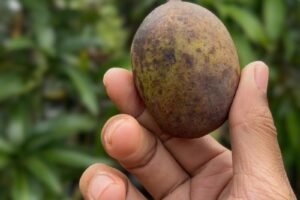
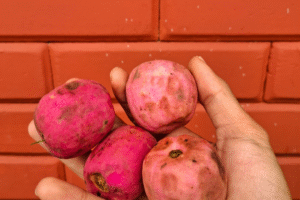
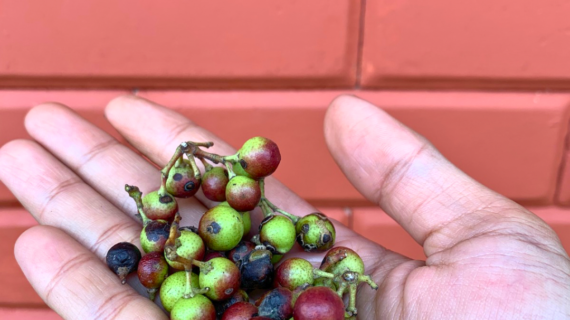
That rarity makes Syzygium particularly interesting to collectors. Species such as Syzygium versteegii and Syzygium jiewhoei offer an opportunity to grow plants that rarely appear in mainstream nurseries and are often encountered primarily in botanical collections and specialist literature.
For collectors who enjoy discovering unusual tropical trees, Syzygium deserves a closer look.
What Makes Syzygium Distinctive?
Syzygium species display considerable diversity, but many share several attractive characteristics.
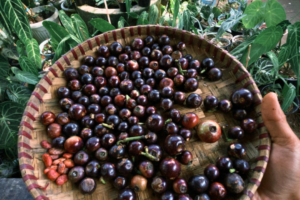
Their evergreen foliage often develops in striking flushes, with young leaves emerging in shades that contrast beautifully with mature foliage. Many species also produce clusters of small flowers followed by colorful berries or other fleshy fruits.
The genus also has considerable ecological importance. Syzygium species occur across a wide range of tropical habitats, from lowland forests to more specialized environments.
However, their diversity can make identification challenging. Closely related species may differ in subtle characteristics, so accurate botanical identification is particularly important when collecting uncommon Syzygium.
Syzygium versteegii: A Lesser-Known Tropical Species
Syzygium versteegii represents the type of species that attracts collectors looking beyond familiar ornamental and fruiting plants.
Rather than competing with common Syzygium cultivated for their fruit or landscaping value, lesser-known species offer something different: botanical rarity and the opportunity to observe a species that remains uncommon in cultivation.
For collectors, this makes verified seed or correctly identified plant material especially valuable. When dealing with rare species, accurate identification matters just as much as successful cultivation.
Syzygium jiewhoei in Focus
Syzygium jiewhoei is another intriguing species for collectors interested in unusual Myrtaceae.
Its appeal comes partly from its scarcity in cultivation. Collectors who already grow more familiar Syzygium species can use lesser-known taxa such as S. jiewhoei to expand their collection into a more specialized area of the genus.
As with any uncommon species, however, it is important to purchase material from a source that can provide a reliable botanical identification rather than simply relying on a generic Syzygium label.
What Are Syzygium’s General Growing Requirements?
Although growing requirements vary between species, many tropical Syzygium perform well when provided with warm temperatures, consistent moisture, good drainage, and sufficient light.
A fertile, well-draining growing medium provides a good foundation. The soil should retain enough moisture to support active growth while allowing excess water to drain freely.
During active growth, regular watering helps maintain healthy foliage, particularly in hot weather. However, avoid keeping the roots permanently saturated.
Light requirements also depend on the species and its natural habitat. Bright filtered light is a useful starting point for young plants, while established specimens may tolerate stronger light after gradual acclimatization.
Provide Good Airflow
Humidity can support vigorous tropical growth, but high humidity without adequate airflow can create an unfavorable environment.
If you grow Syzygium in a greenhouse, enclosed growing area, or humid tropical environment, maintain good air circulation around the foliage.
This becomes particularly important when plants remain wet for extended periods. Good airflow helps the foliage dry more efficiently and creates a healthier growing environment overall.
Feed During Active Growth
Syzygium species can produce vigorous new growth when environmental conditions are favorable. Regular nutrition during the active growing season can therefore support healthy foliage and root development.
A balanced fertilizer applied according to the manufacturer’s recommendations is generally sufficient for cultivated specimens.
However, avoid excessive feeding. Strong growth comes from a combination of suitable light, temperature, moisture, root health, and nutrition rather than fertilizer alone.
Why Are Rare Syzygium Species Difficult to Find?
The main challenge for collectors is often not cultivation but availability.
While certain Syzygium species are widely grown for fruit or ornamental purposes, many others remain uncommon in commercial horticulture. Some have limited seed availability, restricted geographic distributions, or little established demand outside specialist collections.
Consequently, collectors may encounter these species primarily through specialist nurseries, botanical networks, research collections, or seed sourced from their native regions.
This scarcity is precisely what makes them interesting, but it also makes responsible sourcing especially important.
Why Collectors Value the Genus
Syzygium offers an unusual combination of botanical diversity, ornamental potential, and fruiting interest.
For a collector, the genus can become a long-term project rather than simply a collection of similar-looking trees. Different species can display distinct leaf forms, growth habits, flowers, fruits, and environmental preferences.
Furthermore, growing uncommon species can encourage collectors to learn more about their natural habitats and distribution rather than focusing solely on their appearance.
That combination of horticulture and botanical discovery is one of the strongest reasons to explore rare Syzygium species.
Start With Correctly Identified Material
When purchasing a rare Syzygium, botanical accuracy should be one of your first considerations.
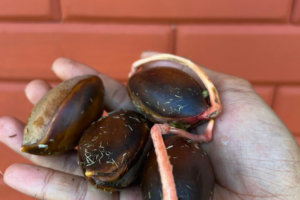
Look for a seller that provides the scientific name, source information when available, and clear details about how the seed or plant was handled.
This becomes particularly important because rare species may have very limited photographic or horticultural references available online. A reliable identification gives you a much stronger foundation for researching cultivation requirements and tracking the plant as it matures.
If you are growing from seed, also remember that fresh seed can be particularly important for tropical species with limited storage tolerance.
Explore the Diversity of Syzygium
Syzygium is far more diverse than the familiar ornamental and fruiting species found in mainstream nurseries. For collectors willing to explore beyond the common choices, the genus offers an impressive range of lesser-known tropical trees.
Species such as Syzygium versteegii and Syzygium jiewhoei demonstrate why the genus continues to attract specialist collectors: they combine botanical interest with the satisfaction of growing something rarely seen in cultivation.
With accurate identification, fresh planting material, suitable tropical conditions, and patience, a rare Syzygium can become a distinctive long-term addition to a serious plant collection.
Explore the current Syzygium collection and discover lesser-known Myrtaceae species available for tropical plant collectors.