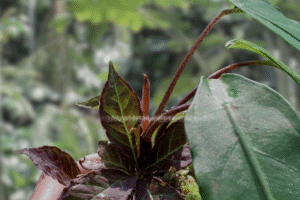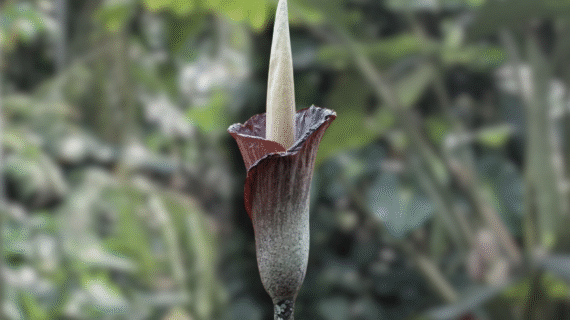
Amorphophallus gigas
Amorphophallus gigas is one of the largest members of the genus, producing an enormous underground tuber, a towering solitary leaf, and an impressive inflorescence during its reproductive cycle. Native to the tropical rainforests of Sumatra, this remarkable geophytic aroid has attracted considerable attention for both its botanical significance and imposing stature. Consequently, it is regarded as one of the most desirable species among serious aroid collectors. The following guide explores its taxonomy, natural habitat, cultivation requirements, propagation methods, and the unique characteristics that distinguish this extraordinary species.
Taxonomy and Classification of Amorphophallus gigas
Scientific Classification
| Rank | Classification |
|---|---|
| Kingdom | Plantae |
| Clade | Tracheophytes |
| Clade | Angiosperms |
| Clade | Monocots |
| Order | Alismatales |
| Family | Araceae |
| Subfamily | Aroideae |
| Tribe | Thomsonieae |
| Genus | Amorphophallus |
| Species | Amorphophallus gigas Teijsm. & Binn. ex Hook.f. |
Naming and Etymology
The genus Amorphophallus derives from the Greek words amorphos, meaning “without definite form,” and phallos, meaning “shaft” or “club,” referring to the distinctive shape of the spadix. Meanwhile, the specific epithet gigas comes from the Greek word for “giant,” an appropriate reference to the species’ exceptional size, including its massive tuber, robust foliage, and impressive flowering structure.
Discovery and History of Amorphophallus gigas
Amorphophallus gigas was first documented during botanical exploration of Sumatra in the nineteenth century, when European botanists began describing the remarkable diversity of Southeast Asian Araceae. Since then, the species has become recognized as one of the largest representatives of the genus and an important component of Sumatra’s native flora.
Although it is often compared with Amorphophallus titanum, A. gigas remains a distinct species with its own unique botanical characteristics. Furthermore, its limited natural distribution and infrequent appearance in cultivation have contributed to its growing reputation among botanical gardens and specialist collectors worldwide.
Natural Habitat of Amorphophallus gigas
Amorphophallus gigas is native to the tropical rainforests of Sumatra, Indonesia, where it grows on the shaded forest floor beneath dense canopy vegetation. Typically, it inhabits fertile, humus-rich soils with abundant organic matter and reliable drainage.
Its native habitat is characterized by:
- Warm tropical temperatures throughout the year
- High relative humidity
- Bright filtered or diffused sunlight
- Deep organic soils rich in decomposing leaf litter
- Regular rainfall with well-drained conditions
As a result, the underground tuber stores substantial energy reserves that enable the plant to support both its enormous vegetative leaf and its spectacular flowering event. Moreover, this adaptation allows the species to survive seasonal dormancy before initiating a new growth cycle.
Cultivation Guide of Amorphophallus gigas
Care
Amorphophallus gigas thrives under environmental conditions that closely resemble its native rainforest habitat. Therefore, providing warmth, humidity, and adequate space is essential for long-term success.
Recommended growing conditions include:
- Bright indirect light or light shade
- Relative humidity above 70%
- Temperatures between 22–30°C (72–86°F)
- Excellent air circulation
- Protection from prolonged direct afternoon sunlight
Overall, this species is considered moderately challenging to cultivate because of its eventual size and seasonal growth cycle. Nevertheless, experienced growers can achieve excellent results by maintaining stable tropical conditions.
Media
A loose, well-drained substrate is essential for supporting the development of the large tuber while preventing excess moisture from accumulating around the roots.
An ideal growing medium includes:
- Fine orchid bark
- Coco chips or coco coir
- Leaf mold or compost
- Perlite or pumice
- Coarse sand or volcanic rock
Ideally, the medium should retain moderate moisture while allowing excess water to drain rapidly. Consequently, healthy root development is encouraged throughout the active growing season.
Fertilizer
Because Amorphophallus gigas produces substantial seasonal growth, regular fertilization is beneficial during active development. Apply a balanced liquid fertilizer every two to three weeks at approximately half the recommended concentration. Additionally, a slow-release fertilizer may be incorporated into the substrate when new growth first emerges.
However, fertilization should cease once the foliage begins to senesce, as the plant naturally prepares for dormancy.
Watering
Water thoroughly throughout the active growing season while ensuring excellent drainage.
Maintain evenly moist soil without allowing the substrate to become waterlogged. However, once the leaf begins to yellow and die back, gradually reduce watering until the dormant tuber remains almost dry. As a result, the likelihood of fungal diseases and tuber rot is significantly reduced.
Growth Cycle
Like most species within the genus, Amorphophallus gigas follows a distinct seasonal growth cycle. Accordingly, cultivation practices should be adjusted to match each stage of development.
Its annual cycle generally consists of:
- Dormant underground tuber
- Emergence of an inflorescence or vegetative shoot
- Development of a massive compound leaf
- Accumulation of carbohydrates within the tuber
- Natural leaf senescence
- Dormancy until the following season
Typically, flowering occurs before leaf production and relies on reserves stored within the tuber. Thereafter, the newly produced leaf replenishes those reserves through photosynthesis before dormancy returns.
Propagation of Amorphophallus gigas
Seeds
Fresh seeds are the preferred method for propagating Amorphophallus gigas while preserving genetic diversity.
To maximize germination, seeds should be cleaned and sown immediately after harvest because viability declines relatively quickly during storage. Germination is most successful under the following conditions:
- Temperatures between 25–30°C
- High humidity
- Even moisture
- Sterile, well-drained propagation media
- Bright filtered light
Under suitable conditions, seedlings gradually develop small tubers that increase in size over successive growing seasons.
Tubers / Plants
Large mature plants may occasionally produce offsets, although seed propagation remains the primary means of cultivation.
Whenever division is possible, it should be performed only during dormancy. Furthermore, each division should possess healthy growing tissue and be allowed to dry briefly before planting. Consequently, the risk of fungal infection is minimized while successful establishment is encouraged.
Maintenance Tips of Amorphophallus gigas
Long-term cultivation depends on understanding the species’ natural seasonal rhythm. Therefore, routine care should always correspond to its annual growth cycle.
Recommended maintenance practices include:
- Repot during dormancy only.
- Choose containers that accommodate the expanding tuber.
- Maintain excellent drainage throughout the year.
- Avoid overwatering dormant tubers.
- Inspect plants regularly for pests and fungal diseases.
- Avoid excessive nitrogen fertilization.
By following these practices, growers can promote vigorous foliage, healthy tuber development, and the potential for spectacular flowering in mature specimens.
What Makes Amorphophallus gigas Special
Amorphophallus gigas is renowned for its extraordinary size and remains one of the most impressive species in the genus. Moreover, its enormous leaf, substantial tuber, and dramatic inflorescence demonstrate the remarkable evolutionary adaptations of tropical geophytic aroids.
Although frequently compared with Amorphophallus titanum, A. gigas possesses its own distinctive botanical characteristics and occupies an important place within Sumatra’s native flora. Consequently, it is highly sought after by botanical gardens, conservation collections, and serious collectors interested in cultivating some of the world’s largest aroid species.
Availability and Compliance of Amorphophallus gigas
Amorphophallus gigas is available through an Indonesian Plant Nursery specializing in responsibly cultivated tropical plants, rare aroids, and collector-quality botanical specimens sourced from Indonesia’s exceptional biodiversity.
Furthermore, as part of the Rare Seeds Indonesia collection, each specimen is carefully selected for accurate botanical identification, healthy establishment, and suitability for collectors, botanical gardens, and research institutions.
International orders are supplied by a Phytosanitary Certified Plant Exporter. Consequently, exported plants or propagules are inspected and accompanied by official phytosanitary certification whenever required by the destination country. This process helps ensure compliance with international plant health regulations while supporting legal and responsible international plant trade.
Because Amorphophallus gigas requires many years to reach maturity and is available only in limited quantities, supply is naturally restricted. Therefore, authentic plants, seeds, and propagules are often difficult to obtain outside specialized collections, making timely acquisition advisable whenever stock becomes available.