Cyrtosperma: The Underrated Aroid Genus for Serious Collectors
While Alocasia, Anthurium, and Philodendron dominate much of the collector aroid conversation, another genus quietly offers some of the most imposing foliage in the family. Cyrtosperma remains relatively uncommon in cultivation, yet its combination of enormous leaves, spiny petioles, and wetland-adapted growth makes it particularly interesting for experienced collectors.
For anyone looking beyond the familiar names, Cyrtosperma deserves a place on the shortlist.
A Genus Built for Bold Foliage
Cyrtosperma species are best known for their dramatic foliage and substantial growth.
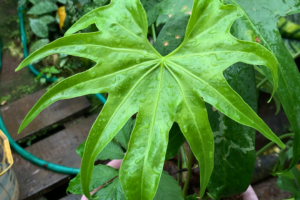
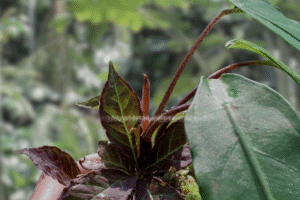
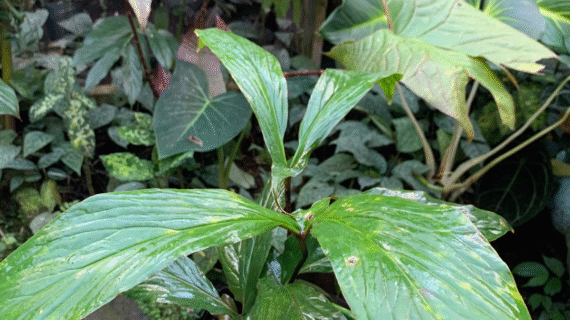
Many develop large, arrow-shaped or sagittate leaves carried on sturdy petioles. Depending on the species, those petioles may feature prominent spines, giving the plant an almost prehistoric appearance.
This combination of scale and texture makes Cyrtosperma particularly effective as a statement plant. A mature specimen can become a visual centerpiece rather than simply another plant on a shelf.
However, its size also means that Cyrtosperma is not always suitable for small indoor spaces. Before acquiring a specimen, research the particular species and consider how much room it may eventually require.
Cyrtosperma’s Natural Habitat
One of the most interesting aspects of Cyrtosperma is its relationship with wet environments.
Species occur across parts of Southeast Asia, New Guinea, and the Pacific, with several associated with swampy, wetland, or seasonally flooded habitats.
This ecology helps explain why Cyrtosperma can behave differently from many popular collector aroids.
Rather than coming from relatively dry forest conditions, some species naturally experience abundant moisture around their root systems. Consequently, they can appreciate growing conditions that would be excessive for many other aroids.
However, “water-loving” does not mean that every Cyrtosperma should sit in stagnant water. Good water quality, oxygen around the roots, and appropriate drainage remain important.
Growing Medium and Moisture
Because Cyrtosperma generally appreciates consistently moist conditions, choose a growing medium that retains moisture while still allowing adequate air movement around the roots.
A mix containing organic material, coco coir, bark, and moisture-retaining components can work well, although the exact composition should reflect your climate and growing setup.
In hot tropical conditions, the plant may tolerate considerably more moisture than it would in a cool indoor environment.
The key is to understand the difference between consistently moist and stagnant. Waterlogged, oxygen-depleted conditions can still cause root problems even in species adapted to wetlands.
Provide Bright, Filtered Light
Cyrtosperma generally performs well under bright, filtered light.
In its natural habitat, surrounding vegetation can reduce the intensity of direct sunlight, particularly during the hottest part of the day. Therefore, a position with strong ambient light and some protection from harsh afternoon sun provides a useful starting point.
If you grow a young specimen in deep shade, however, growth may become slower and the foliage may fail to reach its full potential.
For outdoor cultivation, gradually acclimatize plants to stronger light rather than exposing shade-grown specimens to intense sunlight immediately.
Keep Temperatures Warm
As tropical aroids, Cyrtosperma generally performs best in warm conditions.
Consistent warmth encourages active root and leaf development, while sudden temperature drops can cause stress. Cold drafts are particularly undesirable for plants accustomed to humid tropical environments.
If you live in a cooler climate, a heated greenhouse or controlled growing area may be necessary for long-term cultivation.
In tropical regions, outdoor cultivation can be much simpler, provided the plant receives sufficient moisture and protection from extreme exposure.
Humidity and Airflow Matter
High humidity can support vigorous Cyrtosperma growth, particularly when temperatures are also warm.
However, high humidity should not mean stagnant air.
Maintain good airflow around the foliage, especially in enclosed growing environments. This helps create a healthier microclimate and reduces the problems that can develop when leaves remain continuously wet.
A combination of warm temperatures, high humidity, sufficient moisture, and good air movement can create conditions remarkably similar to those experienced by many tropical wetland aroids.
Handle Spines With Care
The spines are part of Cyrtosperma’s appeal, but they also require practical consideration.
Depending on the species, sharp structures may occur along the petioles or other parts of the plant. Position larger specimens where people and pets are less likely to brush against them.
When repotting or handling mature plants, wear suitable protective gloves and give yourself enough working space.
This becomes increasingly important as the plant grows larger.
Why Is Cyrtosperma Still Underrated?
Despite its impressive appearance, Cyrtosperma remains far less common in collections than Alocasia or Anthurium.
Several factors contribute to this. The plants can become large, some species are geographically restricted, and specialist horticultural information is less readily available.
Furthermore, many mainstream nurseries focus on compact or visually familiar aroids that are easier to sell to the average houseplant grower.
For experienced collectors, however, that limited availability is part of the appeal.
A well-grown Cyrtosperma can offer something genuinely different from the typical collector aroid: scale, unusual texture, and a strong connection to tropical wetland habitats.
Start With the Right Species
Cyrtosperma is a genus rather than a single uniform plant, so species selection matters.
Before purchasing, research the expected mature size, natural habitat, water requirements, and temperature tolerance of the particular species.
This is especially important when buying rare plants or seeds, where incorrect identification can lead to inappropriate cultivation.
Choose planting material from a reputable source that provides a clear scientific name and, where possible, information about provenance.
Grow Cyrtosperma for the Experience
The appeal of Cyrtosperma goes beyond its large leaves.
It offers collectors the opportunity to explore a different side of aroid diversity—one shaped by wetlands, persistent moisture, tropical heat, and impressive plant architecture.
If you already grow more familiar genera and want to expand into something unusual, Cyrtosperma can be a fascinating next step.
Give it warmth, moisture, bright filtered light, adequate space, and good airflow. Most importantly, learn the requirements of the species you are growing rather than treating every Cyrtosperma as identical.
Explore our Cyrtosperma selection and discover one of the aroid family’s lesser-known genera for your tropical plant collection.