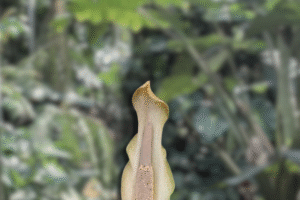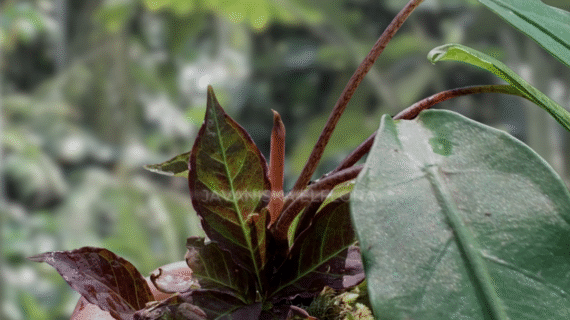
Amorphophallus angulatus
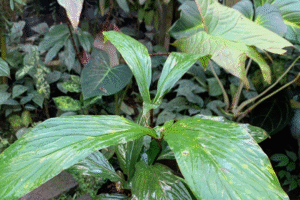
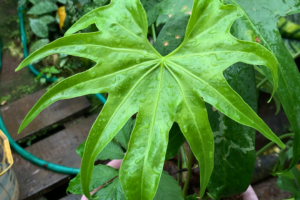
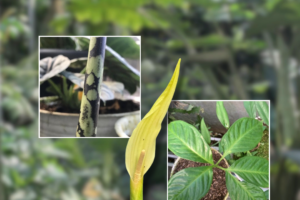
Amorphophallus angulatus is a tropical geophytic aroid that develops from an underground tuber and produces a single, seasonally emerging leaf supported by a robust petiole. Like many members of the genus, it exhibits a distinctive inflorescence consisting of a spathe surrounding a central spadix, followed by a period of vegetative growth before entering dormancy. This guide explores its taxonomy, natural habitat, cultivation requirements, propagation techniques, and the characteristics that make this species an attractive addition to specialized botanical collections.
Taxonomy and Classification of Amorphophallus angulatus
Scientific Classification
| Rank | Classification |
|---|---|
| Kingdom | Plantae |
| Clade | Tracheophytes |
| Clade | Angiosperms |
| Clade | Monocots |
| Order | Alismatales |
| Family | Araceae |
| Subfamily | Aroideae |
| Tribe | Thomsonieae |
| Genus | Amorphophallus |
| Species | Amorphophallus angulatus |
Naming and Etymology
The genus name Amorphophallus originates from the Greek words amorphos, meaning “without definite form,” and phallos, meaning “club” or “phallus,” referring to the unusual shape of the flowering spadix. The specific epithet angulatus derives from the Latin word meaning “angled” or “angular,” likely describing distinctive angular characteristics observed in parts of the petiole, peduncle, or vegetative structures during the species’ original description.
Discovery and History of Amorphophallus angulatus
Amorphophallus angulatus represents one of the many Southeast Asian species that contribute to the remarkable diversity of the genus. Botanical exploration throughout tropical Asia has revealed numerous localized species occupying specialized ecological niches, many of which remain uncommon in cultivation. Although less frequently encountered than widely cultivated relatives, A. angulatus holds scientific value for taxonomic research and conservation while attracting collectors interested in preserving lesser-known species.
Natural Habitat of Amorphophallus angulatus
This species naturally inhabits humid tropical forests where it grows beneath dense canopy cover. It typically develops in well-drained forest soils enriched with decomposed organic matter, benefiting from consistently warm temperatures and high atmospheric humidity throughout much of the year.
Seasonal rainfall influences its annual growth cycle. During the wet season, the tuber produces either foliage or an inflorescence, while the dry season often induces dormancy as environmental conditions become less favorable. The surrounding vegetation provides filtered light and moderates fluctuations in temperature and moisture, creating stable growing conditions that support healthy tuber development.
Cultivation Guide of Amorphophallus angulatus
Care
Amorphophallus angulatus performs best under bright, filtered light that mimics the forest understory. Avoid prolonged direct afternoon sunlight, which may scorch the leaf.
Maintain temperatures between 22–30°C (72–86°F) with humidity levels above 60%. Good air circulation helps reduce fungal problems while preserving adequate moisture around the foliage. This species is generally suitable for intermediate to advanced growers familiar with tropical geophytes and seasonal dormancy.
Media
A loose, highly aerated substrate encourages healthy root and tuber development. An effective growing mix may include:
- Fine orchid bark
- Coconut husk chips
- Perlite or pumice
- Composted leaf mold
- High-quality coco peat
The growing medium should retain moderate moisture while allowing excess water to drain rapidly.
Fertilizer
Apply a balanced liquid fertilizer diluted to half strength every two to three weeks during active vegetative growth. Fertilizers containing adequate potassium support tuber enlargement toward the end of the growing season.
Suspend fertilization once the foliage begins to yellow and the plant enters dormancy.
Watering
Water thoroughly during active growth, allowing excess moisture to drain completely. The substrate should remain lightly moist but never saturated.
As dormancy approaches, gradually reduce watering until the tuber remains nearly dry. Excess moisture during dormancy significantly increases the risk of rot.
Growth Cycle
Like most Amorphophallus species, A. angulatus follows a predictable annual cycle. A dormant tuber produces either a single compound leaf or an inflorescence at the beginning of the growing season. After several months of photosynthesis, the leaf naturally senesces, allowing the tuber to store energy before returning to dormancy until favorable conditions return.
Propagation of Amorphophallus angulatus
Seeds
Fresh seeds offer the highest germination success. Sow them in a sterile, moisture-retentive medium and maintain temperatures between 25–30°C (77–86°F) with consistently high humidity.
Seedlings develop gradually and require stable moisture, bright filtered light, and careful protection from fungal diseases during their early stages.
Tubers / Plants
Propagation most commonly occurs through tuber offsets when mature specimens produce daughter tubers. Divide only after the plant has entered complete dormancy.
Allow freshly divided surfaces to dry before planting into fresh substrate. Water sparingly until new growth becomes visible, indicating successful establishment.
Maintenance Tips of Amorphophallus angulatus
Successful long-term cultivation depends on respecting the species’ natural seasonal rhythm. Avoid disturbing actively growing roots, and repot only during dormancy when handling causes minimal stress.
Inspect the tuber regularly for signs of soft tissue or fungal infection. Clean cultivation practices, excellent drainage, and moderate watering remain the most effective methods for preventing disease.
Avoid overpotting, as excessively large containers retain unnecessary moisture around the dormant tuber. Maintaining good sanitation and removing decaying plant material also helps reduce pest and pathogen pressure.
What Makes Amorphophallus angulatus Special
Amorphophallus angulatus appeals to collectors because it remains relatively uncommon in cultivation compared with more familiar species. Its distinctive morphology, seasonal growth habit, and specialized ecological adaptations illustrate the extraordinary diversity found within the genus.
For botanical enthusiasts, the species represents more than an ornamental plant. It offers opportunities to study tropical geophyte biology, flowering behavior, tuber development, and species variation within one of the world’s most fascinating aroid genera. Its limited distribution and infrequent commercial availability further enhance its significance in specialized collections.
Availability and Compliance of Amorphophallus angulatus
Healthy specimens and propagation material are best obtained from an Indonesian Plant Nursery specializing in tropical aroids, where plants are cultivated under conditions closely resembling their native habitat. Professional growers maintain proper identification, careful cultivation practices, and sustainable propagation methods that preserve valuable genetic diversity.
As part of a curated Rare Seeds Indonesia collection, Amorphophallus angulatus represents a species intended for serious collectors, botanical gardens, researchers, and enthusiasts seeking uncommon tropical plants that rarely appear in mainstream horticultural trade.
International shipments should originate from a Phytosanitary Certified Plant Exporter, ensuring every exported plant, tuber, or seed undergoes official inspection and receives phytosanitary certification in accordance with importing country regulations. This certification confirms that the material meets international plant health standards and facilitates legal, responsible movement of living plant material across borders.
Because Amorphophallus angulatus remains infrequently propagated and is only occasionally available through specialized collections, access is often limited to seasonal production cycles. Collectors interested in adding this distinctive species to their collection should consider acquiring available material when it becomes offered, as future availability may be limited and sourcing comparable specimens elsewhere can be challenging.