Alsomitra macrocarpa: Growing the Javan Cucumber Vine
Few tropical vines have seeds as fascinating as Alsomitra macrocarpa. Commonly known as the Javan cucumber, this remarkable climber produces thin, winged seeds that can glide through the air when released from their pods.
That unusual adaptation makes the species particularly interesting to botanical collectors. However, the seeds are only part of the story. The mature vine, its large fruiting structures, and its rainforest origins make Alsomitra macrocarpa an intriguing plant to grow in its own right.
A Vine With Extraordinary Seeds
Alsomitra macrocarpa belongs to the cucumber family, Cucurbitaceae, and occurs naturally in tropical forests across parts of Southeast Asia, including Java.
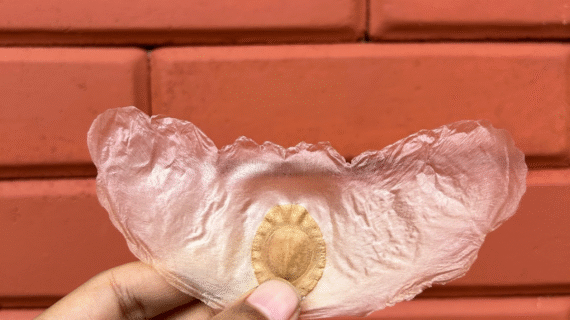
The plant develops as a climbing vine, eventually producing distinctive large, pod-like fruits. When mature, these structures release numerous lightweight seeds equipped with broad, papery wings.
Instead of simply falling vertically, the seeds can catch air currents and glide considerable distances away from the parent plant.
This is one of those botanical adaptations that becomes much more impressive when you see it in person.
Why Do Alsomitra Seeds Have Wings?
The winged seeds serve an important natural purpose: dispersal.
When a mature fruit releases its seeds from the forest canopy, the wing structure helps them travel away from the parent plant rather than dropping directly beneath it.
In a dense rainforest, that difference can be significant.
A seed that travels farther has a better opportunity to reach a suitable place to germinate, reducing competition with the parent plant and nearby seedlings.
For collectors, this makes the seed itself a fascinating example of natural engineering.
Where Does Alsomitra macrocarpa Grow?
The Javan cucumber naturally occurs in tropical forest environments, where warm temperatures, humidity, and abundant vegetation create ideal conditions for climbing plants.
Because the vine grows among surrounding vegetation, it naturally uses other plants and structures for support.
Consequently, a cultivated specimen needs more than just a pot and growing medium.
You also need to think vertically.
Provide Strong Support for the Vine
Alsomitra macrocarpa is a climbing species, so provide a sturdy trellis, frame, or other support from an early stage.
A small seedling may look harmless at first, but the plant can eventually develop substantial climbing growth.
Giving it support early also allows the vine to develop naturally rather than forcing it to sprawl across the ground.
If you are growing it in a greenhouse, consider the available vertical space before planting.
A mature climbing vine can occupy considerably more room than its initial size suggests.
Growing Conditions
Recreating a warm tropical environment will give Alsomitra macrocarpa the best opportunity to establish successfully.
Light
Bright filtered light generally suits young plants well.
In its natural habitat, the vine grows within a complex forest environment rather than sitting exposed to intense sunlight throughout the day.
As a result, young seedlings may benefit from protection against harsh afternoon sun.
Once established, you can gradually adjust light exposure according to how the plant responds.
Temperature
Warm temperatures are important for consistent growth.
Protect young plants from prolonged cold, especially if you live outside the tropics. Sudden temperature drops can slow growth and place additional stress on a tropical vine.
For temperate growers, a warm greenhouse or controlled indoor growing environment may be necessary.
Humidity
High humidity supports active growth, particularly while the plant is young.
However, humidity should not replace good airflow. A warm, humid environment with poor air circulation can encourage fungal problems.
Aim for a balance between moisture and ventilation.
Soil
Use a fertile, well-draining growing medium that retains enough moisture to support vigorous growth without becoming permanently saturated.
A mixture containing organic matter and coarse, aerating components can provide a useful balance.
Because this is a vigorous climbing plant, good root development will become increasingly important as the vine grows.
Germinating Alsomitra macrocarpa Seeds
The unusual appearance of the seed means you should handle it carefully.
The papery wing can be delicate, so avoid bending, crushing, or unnecessarily manipulating the seed before planting.
Fresh seed is generally preferable when available, particularly because tropical seeds can lose viability during extended storage.
Place the seed in a suitable propagation medium and maintain warm, consistently moist conditions.
Do not bury it excessively deep. A light covering or shallow sowing is generally more appropriate for a thin, lightweight seed.
Most importantly, avoid letting the propagation medium dry completely during germination.
Handle the Seeds With Care
Alsomitra seeds are unlike the thick, robust seeds of many tropical fruit trees.
Their large wing structure is extremely thin and lightweight, which makes it easy to damage during handling.
Therefore, resist the temptation to repeatedly pick up the seed to inspect it.
Prepare the propagation medium first, position the seed carefully, and then leave it undisturbed while you maintain the appropriate conditions.
The wing does not need to remain intact for germination itself, but preserving the structure allows you to appreciate the remarkable adaptation that makes this species so interesting.
Be Patient With Early Growth
A seedling may look surprisingly delicate during its early stages.
Rather than pushing rapid growth with excessive fertilizer or water, focus on maintaining stable conditions.
Give the young plant warmth, appropriate light, and consistent moisture.
Once active climbing growth begins, introduce its support structure and allow the vine to develop naturally.
Why Collectors Love Alsomitra macrocarpa
There are plenty of tropical vines with attractive flowers or foliage.
Alsomitra macrocarpa offers something different.
Collectors can experience:
- A distinctive climbing growth habit
- Large, unusual fruiting structures
- Remarkable winged seeds
- A fascinating natural seed-dispersal strategy
- Strong connections to Southeast Asian rainforest flora
The species therefore appeals not only to plant collectors but also to anyone interested in botanical adaptations.
A Plant That Makes Botany Fun
Some plants are impressive because of their flowers.
Others stand out because of their foliage, size, or rarity.
Alsomitra macrocarpa is memorable because its seeds demonstrate how creatively plants can solve the problem of reproduction and dispersal.
Watching a mature pod release its lightweight seeds and seeing them glide through the air provides a rare opportunity to observe a remarkable botanical adaptation firsthand.
That makes the Javan cucumber an excellent choice for collectors who want something beyond the usual tropical ornamentals.
A Long-Term Tropical Climbing Project
Alsomitra macrocarpa needs warmth, space, and sturdy support, so it may not suit every growing environment.
For the right collector, however, those requirements are part of the experience.
Start with fresh, carefully handled seed, provide a warm and humid environment, and give the developing vine plenty of room to climb.
With patience, you can eventually experience one of the most unusual seed-dispersal mechanisms found among tropical plants.
View Alsomitra macrocarpa seeds and discover this remarkable Javanese vine for your own botanical collection.