Amorphophallus borneensis
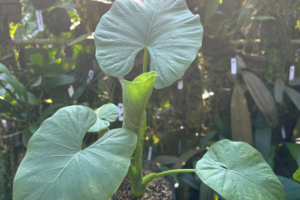
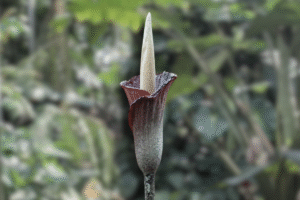
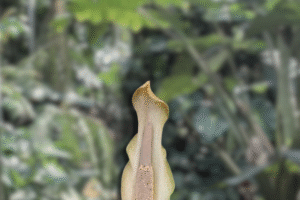
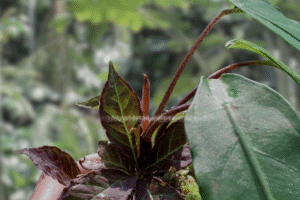
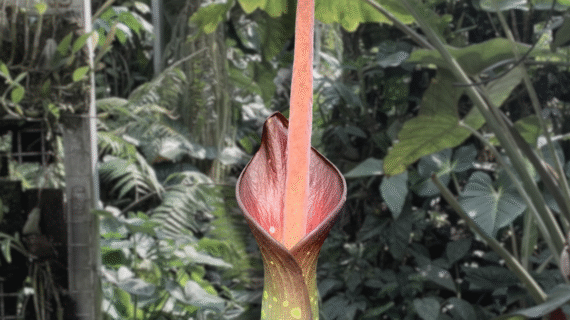
Amorphophallus borneensis is a tropical geophytic aroid native to the rainforests of Borneo, where it grows from an underground tuber beneath the shaded forest canopy. Like other members of the genus, it produces a single umbrella-like leaf during its vegetative phase and a distinctive inflorescence during its reproductive stage. Consequently, the species has become an object of interest among aroid enthusiasts and botanical researchers alike. In the following sections, this guide explores its taxonomy, natural habitat, cultivation requirements, propagation techniques, and the characteristics that make it a desirable species for dedicated collectors.
Taxonomy and Classification of Amorphophallus borneensis
Scientific Classification
| Rank | Classification |
|---|---|
| Kingdom | Plantae |
| Clade | Tracheophytes |
| Clade | Angiosperms |
| Clade | Monocots |
| Order | Alismatales |
| Family | Araceae |
| Subfamily | Aroideae |
| Tribe | Thomsonieae |
| Genus | Amorphophallus |
| Species | Amorphophallus borneensis (Engl.) Engl. & Gehrm. |
Naming and Etymology
The genus Amorphophallus derives from the Greek words amorphos (“without definite form”) and phallos (“shaft” or “club”), referring to the unusual shape of the spadix. Meanwhile, the specific epithet borneensis means “from Borneo,” directly indicating the species’ native geographic origin on one of the world’s most botanically diverse tropical islands.
Discovery and History of Amorphophallus borneensis
Amorphophallus borneensis was described from botanical collections made in Borneo during the extensive exploration of Southeast Asian tropical forests in the late nineteenth and early twentieth centuries. During this period, numerous expeditions documented an exceptional diversity of Araceae, many of which remain restricted to specific forest ecosystems.
Although it is overshadowed by larger and more widely known relatives, A. borneensis has attracted increasing attention among specialist collectors because of its authentic Bornean provenance and its representation of the remarkable diversity within the genus. Furthermore, it continues to be cultivated primarily by botanical gardens, conservation collections, and enthusiasts specializing in tropical aroids.
Natural Habitat of Amorphophallus borneensis
Amorphophallus borneensis is endemic to the tropical rainforests of Borneo, where it grows on the forest floor beneath dense canopy cover. More specifically, it is commonly found in lowland to lower montane forests with deep organic soils rich in decomposing leaf litter.
Its native habitat is characterized by:
- Warm tropical temperatures throughout the year
- High relative humidity
- Filtered or heavily diffused sunlight
- Well-drained humus-rich soils
- Abundant seasonal rainfall without prolonged waterlogging
As a result, the underground tuber stores carbohydrates and moisture, enabling the plant to survive seasonal dormancy before producing new growth. This adaptation allows the species to persist even when environmental conditions temporarily become less favorable.
Cultivation Guide of Amorphophallus borneensis
Care
Amorphophallus borneensis grows best when cultivated under conditions that closely resemble its rainforest habitat. Therefore, maintaining a stable tropical environment is essential for healthy development.
Recommended conditions include:
- Bright indirect light or light shade
- Humidity above 60%, preferably 70–90%
- Temperatures between 22–30°C (72–86°F)
- Consistent air circulation
- Protection from direct afternoon sun
Overall, the species is moderately challenging to cultivate, making it suitable for growers who already have experience with tropical geophytic aroids.
Media
A loose, highly aerated substrate supports healthy root development while protecting the tuber from excessive moisture. In addition, a well-structured medium reduces the likelihood of fungal diseases.
An ideal growing medium consists of:
- Fine orchid bark
- Coco chips or coco coir
- Leaf compost or leaf mold
- Perlite or pumice
- Coarse sand or volcanic rock
Ideally, the substrate should remain lightly moist while allowing excess water to drain rapidly.
Fertilizer
Apply a balanced liquid fertilizer every two to three weeks throughout active growth at half the recommended strength. Additionally, a slow-release fertilizer may be incorporated into the growing medium at the beginning of the growing season to provide a steady supply of nutrients.
However, fertilization should be suspended once the foliage naturally begins to decline and the plant enters dormancy, as nutrient uptake decreases significantly during this period.
Watering
Water thoroughly during active growth while allowing excess water to drain completely.
Maintain evenly moist soil without prolonged saturation. However, avoid allowing the substrate to remain constantly wet, as excessive moisture encourages root and tuber diseases. Once the leaf begins to senesce, gradually reduce irrigation until the dormant tuber is kept nearly dry. Consequently, the risk of fungal infection and tuber rot is greatly reduced.
Growth Cycle
Like most Amorphophallus species, A. borneensis follows a seasonal growth pattern. Accordingly, understanding this natural cycle is essential for successful long-term cultivation.
Its annual cycle typically includes:
- Dormant underground tuber
- Emergence of either an inflorescence or vegetative shoot
- Development of a single compound leaf
- Accumulation of energy within the tuber
- Natural leaf senescence
- Dormancy until the following growth cycle
Typically, flowering occurs before leaf production, relying on stored reserves accumulated during previous seasons. Afterward, the newly produced leaf replenishes these energy reserves for the next cycle.
Propagation of Amorphophallus borneensis
Seeds
Fresh seeds provide the most reliable method for producing genetically diverse plants.
To maximize germination, seeds should be cleaned and sown immediately after harvest because viability declines rapidly during storage. Germination is most successful under:
- Temperatures between 25–30°C
- Constant moisture
- High humidity
- Sterile, well-drained propagation media
- Bright filtered light
Under these conditions, young seedlings gradually develop small tubers that increase in size with each growing season.
Tubers / Plants
Mature plants may occasionally develop offsets or daughter tubers, although this occurs less frequently than in some other species.
Whenever possible, division should be carried out only during dormancy. Furthermore, each tuber section should possess viable growth tissue and be allowed to dry briefly before planting. This precaution minimizes the likelihood of disease while encouraging healthy establishment.
Maintenance Tips of Amorphophallus borneensis
Long-term cultivation success depends on respecting the plant’s natural growth cycle. Therefore, routine maintenance should always follow its seasonal rhythm.
Best practices include:
- Repot only during dormancy.
- Avoid excessive watering after leaf senescence.
- Maintain good airflow around containers.
- Inspect dormant tubers periodically for pests or fungal issues.
- Use clean tools when handling tubers.
- Avoid heavy nitrogen fertilization that promotes soft growth.
By following these practices, growers can encourage vigorous foliage development and improve the likelihood of flowering as the tuber matures.
What Makes Amorphophallus borneensis Special
Amorphophallus borneensis is valued for its authentic origin from the biodiverse rainforests of Borneo and its relatively limited presence in cultivation. Moreover, its elegant growth habit, seasonal life cycle, and characteristic aroid inflorescence make it an appealing addition to specialized collections focused on tropical geophytes.
Unlike more commonly cultivated species, A. borneensis is encountered only infrequently in the horticultural trade, increasing its significance among collectors seeking lesser-known members of the genus. As a result, its combination of botanical interest, geographical uniqueness, and natural rarity contributes to its enduring appeal.
Availability and Compliance of Amorphophallus borneensis
Amorphophallus borneensis is available through an Indonesian Plant Nursery specializing in responsibly cultivated tropical plants, rare aroids, and collector-quality botanical specimens sourced from Indonesia’s exceptional plant diversity.
Furthermore, as part of a Rare Seeds Indonesia collection, each offering is carefully selected for accurate identification, healthy establishment, and suitability for botanical collections, specialty growers, and research institutions.
International orders are supplied by a Phytosanitary Certified Plant Exporter, ensuring exported plants or propagules are inspected and accompanied by official phytosanitary certification where required. Consequently, this certification confirms compliance with international plant health regulations and supports legal, responsible export to destinations worldwide.
Because Amorphophallus borneensis is produced in limited numbers and follows a naturally seasonal growth cycle, availability is often restricted throughout the year. Therefore, well-established specimens and viable propagules can be difficult to source outside specialized collections. For this reason, collectors are encouraged to acquire available material when stock becomes available.