Anthurium Collector’s Guide: Choosing the Right Species for Your Home
Anthurium collecting has grown rapidly among tropical plant enthusiasts, and it is easy to understand why. The genus offers remarkable diversity, from velvety leaves with intricate venation to elongated foliage and unusual growth forms.
However, choosing an Anthurium is about more than finding the most attractive leaf. Species differ in growth habit, environmental preferences, mature size, and difficulty. Therefore, understanding what you are buying can make the difference between a thriving specimen and a frustrating experience.
Decide Between Seeds and Established Plants
One of the first decisions for any collector is whether to start with seeds or an established plant.
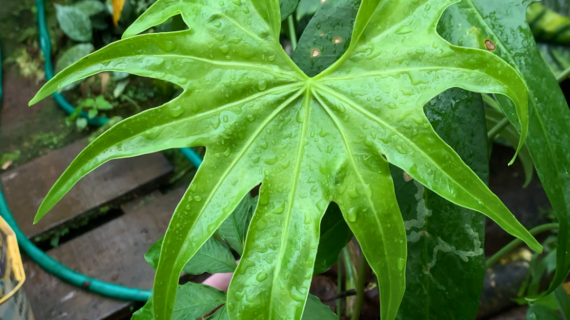
Growing from seed offers a completely different experience. For example, Anthurium brownii seeds or Anthurium pedatoradiatum seeds allow you to follow the plant from germination through juvenile development and eventually toward maturity.
Seed-grown plants can also offer collectors an opportunity to obtain species at a lower initial cost. However, they require more patience and careful attention during the early stages of growth.
Established plants, on the other hand, give you an immediate head start. You can see the current leaf shape, growth habit, and overall condition before purchasing. For collectors who want a more predictable starting point, this can be a significant advantage.
Ultimately, the better choice depends on what you enjoy most: the challenge of growing a plant from its earliest stage or the satisfaction of developing an established specimen.
Choose the Right Growing Medium
Most Anthurium species naturally grow as epiphytes, hemi-epiphytes, or terrestrial plants depending on the species and habitat. Many collector species therefore perform poorly in dense, compacted potting soil.
Instead, provide a loose and highly aerated growing medium that allows both water and oxygen to reach the roots.
A suitable mix might include:
- Orchid bark
- Perlite or pumice
- Sphagnum moss
- Coco chips or coco coir
- A small amount of organic matter
The ideal ratio depends on your climate, watering habits, and the particular Anthurium. In humid environments, for example, a more open mix can help prevent the roots from remaining saturated.
Rather than following one universal recipe, aim for a medium that drains quickly while retaining enough moisture for healthy root development.
Match Light to the Species
Light requirements can vary considerably between Anthurium species.
Velvet-leaved species often prefer bright but filtered conditions, while some thinner-leaved species can tolerate or benefit from stronger light when properly acclimatized.
As a general rule, bright indirect light provides a good starting point. Place the plant where it receives plenty of natural light without exposing delicate leaves to intense midday or afternoon sun.
Too little light can produce slow growth, weak petioles, and smaller leaves. Too much intense sunlight, meanwhile, can cause bleaching or leaf scorch.
Therefore, observe the plant rather than relying solely on a fixed light schedule. If necessary, gradually adjust its position until you find the balance that produces healthy, attractive growth.
Build Humidity Gradually
Humidity plays an important role in Anthurium cultivation, particularly for species collected from consistently humid tropical habitats.
However, newly imported plants can react poorly to sudden environmental changes. A plant that has spent days in a shipping package may already be stressed, so immediately exposing it to dramatically different temperature, humidity, and light levels can make recovery more difficult.
Instead, give the plant time to acclimatize.
A greenhouse cabinet, propagation enclosure, or humidity dome can provide a controlled environment during the initial adjustment period. Then, gradually introduce the plant to the humidity and airflow levels of its permanent growing location.
At the same time, remember that high humidity alone does not guarantee healthy growth. Good airflow remains essential, particularly in enclosed growing environments.
Consider the Species’ Mature Size
Anthuriums can look deceptively small when young. However, some species eventually develop enormous leaves, long petioles, or substantial root systems.
Before purchasing a new collector species, research its expected mature size and growth habit. This becomes especially important if you grow plants indoors or inside a compact cabinet.
A species that looks perfect for a small shelf may eventually require considerably more vertical or horizontal space.
Planning ahead also helps you choose an appropriate pot, support structure, and growing location from the beginning.
Learn the Difference Between Juvenile and Mature Leaves
Many Anthurium species change dramatically as they mature.
Juvenile plants may produce smaller, simpler leaves that look very different from the mature foliage collectors hope to see. As the plant develops, leaf size, shape, texture, venation, and sometimes coloration can change considerably.
Consequently, do not judge a young plant solely by its current appearance.
If you are purchasing from seed, research photographs and growth stages of mature specimens so you understand what the plant may eventually become. This makes the growing process much more rewarding and prevents unrealistic expectations.
Inspect Roots and New Growth
When buying an established Anthurium, pay attention to the plant’s overall condition rather than focusing only on the largest leaf.
Healthy roots should generally feel firm rather than mushy, while new growth should show active development without extensive damage or discoloration.
If you are purchasing internationally, also ask how the plant has been prepared for shipment and what documentation applies to your destination.
A healthy plant with properly handled roots usually has a much better chance of adapting successfully after arrival.
Build Your Collection Slowly
It can be tempting to purchase every Anthurium that catches your attention, especially when you discover a new species or an unusual leaf form.
However, building a collection gradually often produces better results.
Start with species whose requirements match your growing environment. Once you understand how your space handles temperature, humidity, light, and airflow, you can gradually introduce more demanding species.
This approach also gives you time to learn the individual behavior of each plant. Two Anthuriums growing under the same conditions may respond differently, and those observations become valuable as your collection expands.
Grow for the Long Term
A successful Anthurium collection is not simply a collection of beautiful leaves. It is a long-term growing project built around observation, patience, and an understanding of each species.
Choose your starting material carefully, provide an airy growing medium, match light levels to the species, maintain appropriate humidity, and give newly acquired plants time to acclimatize.
Most importantly, enjoy the process. Whether you start with Anthurium seeds or an established specimen, watching a plant develop from a small juvenile into a mature collector’s specimen is one of the most rewarding parts of growing Anthurium.
Ready to expand your collection? Explore Anthurium seeds and live plants from the Indonesian collection and discover species suited to collectors interested in growing these remarkable tropical aroids.