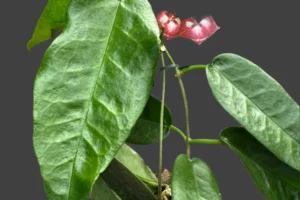
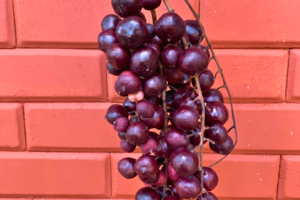
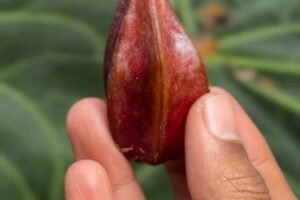
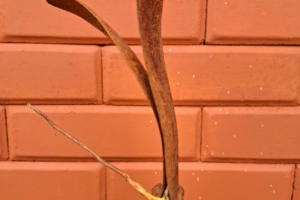
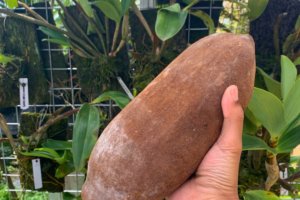
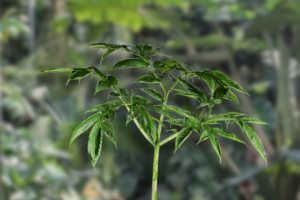
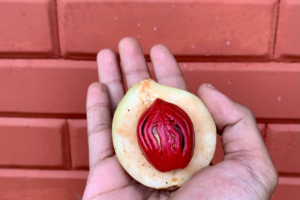
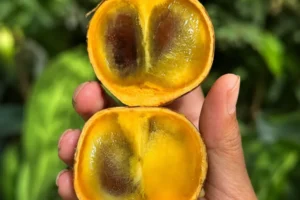
Stelechocarpus burahol: The Sacred Kepel Fruit of Java Stelechocarpus burahol, commonly known as kepel, is one of Java’s most culturally significant fruit trees. For centuries, this unusual tropical species has been associated with Javanese royal gardens, giving it an identity that extends well beyond its botanical characteristics. Today, kepel remains uncommon in cultivation, particularly outside …
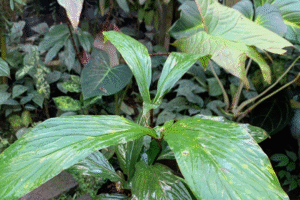
Best Rare Plants for Indoor Growers in Temperate Climates
Best Rare Plants for Indoor Growers in Temperate Climates Living outside the tropics does not mean you have to give up on rare tropical plants. In fact, many collectors successfully grow unusual aroids and other tropical species indoors, even when outdoor temperatures drop well below their plants’ preferred range. The key is not simply choosing …
Understanding CITES and Legal Plant Exports From Indonesia
Understanding CITES and Legal Plant Exports From Indonesia If you buy rare plants internationally, understanding CITES and plant-export regulations can save you from serious problems at customs. More importantly, knowing how these rules work helps you support responsible trade and avoid material sourced through questionable channels. However, one important distinction comes first: rarity does not …
Building a Home Botanical Collection: A Beginner’s Roadmap
Building a Home Botanical Collection: A Beginner’s Roadmap Starting a botanical collection can feel overwhelming at first. Once you discover how many fascinating species exist, it is easy to want everything at once. However, a great plant collection rarely develops overnight. Instead, it grows gradually through thoughtful choices, successful cultivation, and a genuine interest in …
Baccaurea angulata: Growing the Rare Angular Fruit of Borneo
Baccaurea angulata: Growing the Rare Angular Fruit of Borneo Baccaurea angulata is one of Borneo’s more unusual tropical fruit trees. Known for its distinctive ridged, angular fruit, this member of the Phyllanthaceae family remains relatively uncommon outside its native Southeast Asian range. For collectors who have already explored familiar tropical fruits such as mango, rambutan, …
The Rise of Rare Plant Collecting: Why Indonesia Leads the Trade
The Rise of Rare Plant Collecting: Why Indonesia Leads the Trade Rare plant collecting has grown far beyond a niche hobby, and Indonesia now sits at the heart of the global tropical plant trade. With extraordinary biodiversity spread across thousands of islands, the country offers collectors access to species that are difficult—or sometimes impossible—to find …
How to Care for Newly Arrived Imported Plants
How to Care for Newly Arrived Imported Plants Receiving a rare plant after international shipping is exciting, but the first few weeks can make a significant difference to its long-term health. Even a carefully packaged plant experiences changes in temperature, humidity, light, handling, and airflow during transit. Therefore, do not expect a newly arrived plant …
Tubers vs Seeds vs Live Plants: Which Should You Buy First?
Tubers vs Seeds vs Live Plants: Which Should You Buy First? When you start collecting rare tropical plants, one question usually appears sooner or later: should you buy seeds, a tuber, or an established live plant? There is no universal answer. Each option offers a different balance of cost, speed, risk, and growing experience. Therefore, …
Shipping Rare Plants Internationally: What Buyers Need to Know
Shipping Rare Plants Internationally: What Buyers Need to Know Ordering rare plants internationally is very different from buying an ordinary product online. A tropical plant or packet of seeds must cross not only a geographic border but also a complex set of plant-health and import regulations. Fortunately, the process becomes much easier when you understand …
Cyrtosperma: The Underrated Aroid Genus for Serious Collectors
Cyrtosperma: The Underrated Aroid Genus for Serious Collectors While Alocasia, Anthurium, and Philodendron dominate much of the collector aroid conversation, another genus quietly offers some of the most imposing foliage in the family. Cyrtosperma remains relatively uncommon in cultivation, yet its combination of enormous leaves, spiny petioles, and wetland-adapted growth makes it particularly interesting for …