The Rise of Rare Plant Collecting: Why Indonesia Leads the Trade
Rare plant collecting has grown far beyond a niche hobby, and Indonesia now sits at the heart of the global tropical plant trade. With extraordinary biodiversity spread across thousands of islands, the country offers collectors access to species that are difficult—or sometimes impossible—to find elsewhere.
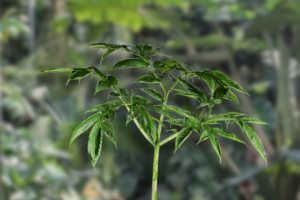
From unusual Amorphophallus and Alocasia to obscure Syzygium and rare tropical fruit trees, Indonesia’s botanical diversity gives collectors an enormous range of plants to explore.
An Unmatched Level of Biodiversity
Indonesia’s geography helps explain why its plant diversity is so remarkable.
The country stretches across thousands of islands, each with its own combination of elevation, rainfall, soil, temperature, and forest habitat. Over long periods, these differences have allowed plant populations to evolve independently and produce an extraordinary number of distinct species.
As a result, Indonesia is particularly important for collectors interested in tropical plants.
Genera such as Amorphophallus, Alocasia, and Syzygium contain numerous species native to Indonesia, including plants that remain relatively uncommon in cultivation.
For collectors, this means that looking toward Indonesia can open the door to a much broader botanical world than the standard tropical plants available through mainstream nurseries.
Why Are Indonesian Plants So Popular With Collectors?
The appeal goes beyond simple rarity.
Many Indonesian species combine unusual foliage, distinctive growth habits, interesting flowers, and fascinating ecological adaptations. Some also remain poorly represented in international horticulture.
Consequently, collectors often look for Indonesian species when they want to move beyond familiar ornamental plants.
For example, a collection focused on Amorphophallus can quickly expand from well-known species into lesser-known forest taxa. Similarly, collectors of tropical fruit trees can explore species that rarely appear in commercial fruit markets outside Southeast Asia.
That sense of discovery is one of the strongest attractions of collecting Indonesian plants.
Growing Global Demand
Social media has also transformed the rare plant market.
Collectors can now share photographs, cultivation experiences, flowering records, and propagation successes with enthusiasts on the other side of the world. A plant that was almost unknown internationally can suddenly attract attention after a few photographs or cultivation reports gain traction.
As interest has grown, international demand for rare Indonesian plants and seeds has increased as well.
At the same time, more Indonesian growers and specialist nurseries have developed their collections around unusual species. This has gradually created better opportunities for international collectors to access plants that were once extremely difficult to source.
However, greater accessibility also creates a need for greater responsibility.
The Importance of Legal and Responsible Sourcing
Rare plant collecting comes with an important responsibility: rarity should never become an excuse for damaging wild populations.
Some species already face habitat loss, restricted distributions, or declining wild populations. Unregulated collection can place additional pressure on vulnerable plants.
Therefore, collectors should pay attention to where their plants and seeds come from.
Whenever possible, choose suppliers that operate legally, provide accurate botanical identification, and follow applicable export and plant-health regulations.
For international shipments, appropriate documentation such as phytosanitary certification may also be required depending on the destination country and the type of plant material being shipped.
Responsible sourcing does more than protect the buyer. It also encourages a market where cultivated propagation becomes more valuable than destructive wild collection.
Cultivated Plants Can Support Conservation
Cultivation cannot replace habitat protection, but it can play a valuable supporting role.
When rare species are successfully propagated in cultivation, collectors and specialist growers can maintain living material outside the wild. Over time, these cultivated populations may contribute to horticultural knowledge, conservation collections, and future propagation efforts.
This is particularly meaningful for species that are difficult to find in their natural habitats.
However, provenance still matters. A cultivated plant with a known origin and accurate identification is much more valuable for conservation and research than an incorrectly labeled specimen with an unknown history.
Indonesia’s Role in the International Plant Trade
Indonesia’s position in the global rare plant market is closely connected to its biodiversity, horticultural expertise, and growing network of specialist growers.
The country’s tropical climate allows many species to be cultivated under conditions similar to their natural environments. As a result, growers can propagate plants that may be difficult to produce commercially in cooler regions.
Meanwhile, improved international shipping and digital commerce have made it easier for specialist nurseries to reach collectors worldwide.
This combination has created a bridge between Indonesia’s extraordinary plant diversity and a growing international community of enthusiasts.
What This Means for International Collectors
For collectors outside Indonesia, the growing trade offers exciting opportunities.
Species that once required personal connections, botanical expeditions, or specialist networks can now be available through reputable online nurseries.
Nevertheless, accessibility should not replace research.
Before purchasing a rare species, check its scientific name, natural distribution, cultivation requirements, availability restrictions, and import regulations in your country.
Also, consider whether you have the appropriate environment to grow the plant before ordering it. A rare species is only a worthwhile addition if you can provide the conditions it needs to thrive.
Choose Rarity With Responsibility
The rise of rare plant collecting in Indonesia reflects something larger than a horticultural trend. It demonstrates how modern communication and international trade can connect collectors with botanical diversity from regions that were once difficult to access.
At the same time, that access creates responsibility.
Collectors can help shape the future of the trade by supporting accurate identification, cultivated propagation, legal export, and responsible sourcing. In turn, Indonesian growers and exporters can help make rare species more accessible without placing unnecessary pressure on wild populations.
For anyone fascinated by tropical biodiversity, Indonesia remains one of the most exciting places to explore.
Browse rare and collector species and discover unusual tropical plants and seeds from Indonesia for your growing collection.