Stelechocarpus burahol: The Sacred Kepel Fruit of Java
Stelechocarpus burahol, commonly known as kepel, is one of Java’s most culturally significant fruit trees. For centuries, this unusual tropical species has been associated with Javanese royal gardens, giving it an identity that extends well beyond its botanical characteristics.
Today, kepel remains uncommon in cultivation, particularly outside Indonesia. For collectors interested in rare Indonesian fruit trees, it offers an unusual combination of cultural history, distinctive growth, and botanical interest.
A Fruit Tree With Royal History
Kepel has a long association with the royal courts of Java.
Historical accounts connect the fruit with Javanese palace gardens, where it was valued not only as a fruit but also for its traditional associations with personal freshness and beauty.
This cultural background has helped give Stelechocarpus burahol a special place in Indonesian botanical heritage.
Although modern horticulture has made many tropical fruit species widely available around the world, kepel remains relatively obscure. Consequently, growing one today can feel like maintaining a small piece of Java’s living botanical history.
The Tree Has an Unusual Fruiting Habit
One of the most fascinating characteristics of Stelechocarpus burahol is its cauliflorous growth habit.
Rather than producing fruit exclusively from the tips of young branches, the tree can develop flowers and fruit directly from older woody stems and the trunk.
As a result, a mature tree carrying fruit can look remarkably different from familiar orchard species.
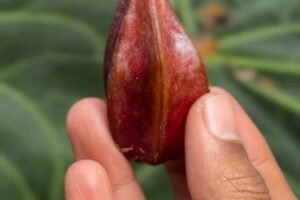
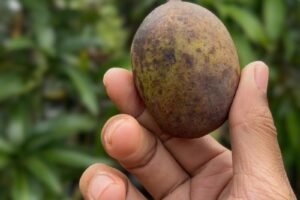
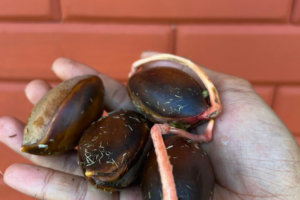
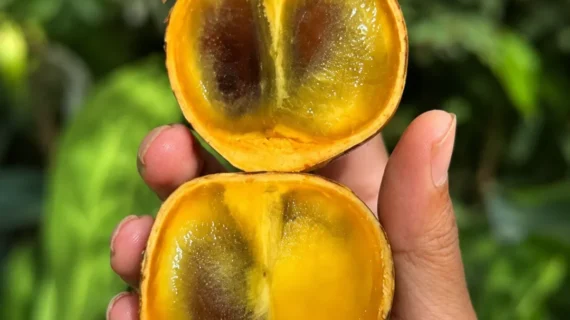
The fruit itself is generally rounded, with brownish skin when mature. While it may not have the visual impact of brightly colored tropical fruits, its unusual position on the trunk makes the tree highly interesting to collectors.
Where Does Stelechocarpus burahol Grow?
Kepel is native to Java and occurs naturally in tropical environments.
Like many tropical evergreen fruit trees, it prefers warm conditions, consistent moisture, and fertile soil. Young plants generally benefit from protection against harsh environmental conditions while they establish their root systems.
A warm, humid climate allows the species to grow naturally, while growers in cooler regions may need a greenhouse or another protected growing environment.
Growing Conditions
Although Stelechocarpus burahol is not necessarily difficult to keep alive under suitable tropical conditions, its long-term cultivation requires patience.
Light
Provide bright filtered light or partial shade for young plants.
As the tree becomes established, it can gradually adapt to brighter conditions. Avoid exposing a recently transplanted or young seedling to intense afternoon sunlight without acclimatization.
Soil
Use fertile, well-draining soil that retains enough moisture to support consistent growth.
Organic matter can help maintain soil structure and moisture while providing a suitable root environment.
However, avoid permanently waterlogged conditions. Consistent moisture does not mean saturated soil.
Water
Young kepel trees benefit from regular watering, particularly during periods of active growth or dry weather.
Monitor the growing medium rather than relying on a rigid watering schedule. Mature trees with established root systems generally become more resilient, although prolonged drought can still affect growth.
Temperature
Warm temperatures are essential.
Protect young plants from prolonged cold, especially if you are growing Stelechocarpus burahol outside its natural tropical range.
In temperate climates, container cultivation or a heated greenhouse may provide a more reliable environment.
Growing Kepel From Seed
For collectors, growing Stelechocarpus burahol from seed offers an especially rewarding experience.
Fresh seed is generally preferable because tropical fruit seeds can lose viability depending on the species and storage conditions.
After obtaining the seed, remove any remaining fruit material and sow it in a clean, moisture-retentive but well-draining propagation medium.
Keep the seed warm and maintain consistent moisture without allowing the medium to become stagnant or waterlogged.
Germination can require patience. Avoid repeatedly disturbing the seed to check for progress, particularly when the species has a slower germination cycle.
Caring for Young Seedlings
Once the seedling emerges, provide bright filtered light and stable warmth.
Young plants can be sensitive to sudden environmental changes, so avoid moving them repeatedly between very different conditions.
Maintain moderate moisture and provide good drainage. As the seedling develops stronger growth, gradually introduce it to brighter light if required.
A slow start does not necessarily indicate a problem. Tropical tree seedlings often invest considerable energy in root development before producing rapid above-ground growth.
How Long Until Kepel Produces Fruit?
Patience is one of the most important requirements when growing Stelechocarpus burahol.
Seed-grown trees can take years to reach reproductive maturity, and the exact timeline depends on genetics, climate, nutrition, growing conditions, and overall plant development.
Therefore, kepel is not a suitable choice if your primary goal is fast fruit production.
Instead, think of it as a long-term botanical project.
The reward comes from watching an unusual Javanese tree develop over time and eventually produce its distinctive cauliflorous fruit.
Why Collectors Value Kepel
Stelechocarpus burahol stands out because it combines several qualities that are difficult to find in a single species.
It has:
- Strong cultural connections to Java
- An unusual cauliflorous fruiting habit
- A relatively limited presence in international horticulture
- Attractive evergreen growth
- Significant interest as a rare Indonesian fruit tree
For botanical collectors, those qualities make it much more than another tropical fruit tree.
It represents both a plant and a piece of regional history.
Preserve the Story Behind the Species
Rare fruit trees can carry cultural information that is just as valuable as their horticultural characteristics.
With Stelechocarpus burahol, that connection is particularly strong. Growing the species allows collectors to explore not only its cultivation but also the traditions and history surrounding one of Java’s lesser-known native fruit trees.
Responsible cultivation also gives rare species a place in gardens and collections outside their natural range.
However, accurate identification and responsible sourcing remain important, especially when purchasing seed internationally.
A Living Piece of Javanese Heritage
Stelechocarpus burahol may not be the fastest-growing or most commercially important tropical fruit tree, but that is precisely what makes it interesting.
Its connection to Javanese royal gardens, unusual trunk-borne fruit, and scarcity in international cultivation give kepel an identity that goes far beyond its edible fruit.
For collectors willing to wait, growing one from seed can become a long-term project with both botanical and cultural significance.
View Stelechocarpus burahol seeds and begin growing this distinctive Javanese fruit tree from seed.