Alocasia robusta Care Guide: How to Grow One of the Largest Alocasia Species on Earth
Introduction to Alocasia robusta
Among giant tropical plants, few species truly live up to their name like Alocasia robusta. Known for its enormous leaves and commanding presence, this species represents the extreme end of size and vigor within the aroid world.
Taxonomy and Classification
Alocasia robusta belongs to the family Araceae, a group that includes many iconic tropical plants prized for their ornamental foliage and unusual flowering structures. Within the genus Alocasia, A. robusta is recognized for its massive scale and structural strength.
Origin and Natural Habitat
Native to Borneo, particularly Sarawak, Alocasia robusta grows in humid lowland rainforests where rainfall is abundant and soil remains consistently moist. In its natural habitat, it can reach extraordinary sizes, with leaves exceeding several meters in length.
Botanical Significance
Botanically, A. robusta is remarkable for its sheer biomass production. It is considered one of the largest Alocasia species ever recorded, making it an important reference point for understanding growth potential and environmental adaptation within Araceae.
Why Alocasia robusta Is So Special
Rarity and Collector Value
For collectors of Rare Houseplants Indonesia, Alocasia robusta represents a true trophy plant. It is rarely cultivated at scale due to its size requirements, making it difficult to find outside specialized growers.
Serious enthusiasts often compare it with selections from Rare Aroid Plants, but very few species can rival its sheer size. Its rarity and logistical challenges in transport make it especially valuable when sourced through a trusted Indonesian Plant Nursery or Live Plants Exporter Indonesia.
Unique Morphology
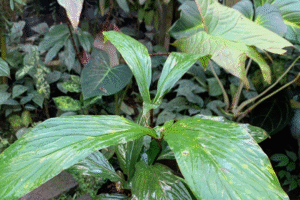
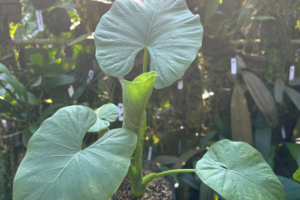
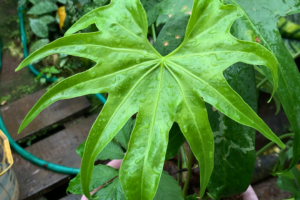
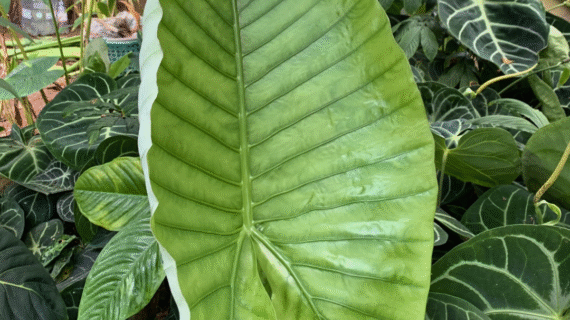
The defining feature of Alocasia robusta is its enormous, paddle-shaped leaves. Unlike the deeply lobed structure of some Alocasias, this species produces broad, thick leaves with strong venation.
Its petioles are equally impressive—thick, sturdy, and capable of supporting leaves that can dwarf most other tropical plants. The overall appearance is bold, architectural, and undeniably dominant in any collection.
Ecological Importance
In its native rainforest ecosystem, A. robusta plays a key role in maintaining humidity and providing shade. Its large leaves contribute to microclimate regulation, supporting surrounding flora and fauna.
Plant Structure and Growth Pattern
Vegetative Structure
Tuber System
At its base, Alocasia robusta develops a powerful underground tuber. This structure stores energy and water, allowing the plant to sustain rapid growth during favorable conditions.
Collectors interested in propagation often explore similar species through Tubers Collection, where tuber-based growth strategies can be better understood.
Petiole and Structural Support
The petioles are exceptionally thick and fibrous, designed to support massive foliage. As the plant matures, these structures become even more robust, reinforcing its upright growth habit.
Leaf Characteristics
Leaves are broad, smooth, and deeply veined. Their size alone makes them one of the most visually striking features in the aroid world. Mature specimens can produce leaves that create a canopy-like effect.
Generative Structure
Spathe and Spadix
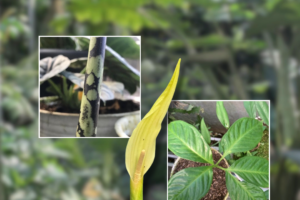
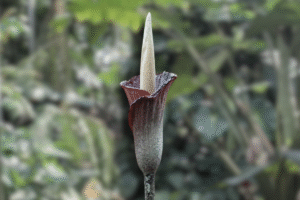
Like all aroids, Alocasia robusta produces an inflorescence composed of a spathe and spadix. While not as visually dramatic as its foliage, this structure is essential for reproduction.
Flower Zones
The spadix contains distinct zones:
- Female flowers at the base
- Male flowers above
- A sterile appendix
This arrangement supports cross-pollination, typically involving insect activity.
Lifecycle and Dormancy
The lifecycle of Alocasia robusta follows a pattern of rapid growth during warm, humid conditions and slowed activity during stress periods. While less prone to dormancy than smaller species, it may still reduce growth under suboptimal conditions.
How to Grow Alocasia robusta Successfully
Growing from Seed
Propagation from seed is possible but requires fresh material. Many collectors source seeds through trusted platforms offering Tropical Seeds For Sale or Rare Seeds Indonesia.
The Seeds Collection of specialized nurseries often includes viable aroid seeds suitable for germination.
Seeds should be sown in a sterile, moisture-retentive medium and kept in consistently warm, humid conditions. Germination can take several weeks.
Soil Mix (Detailed)
A proper soil mix is critical for supporting the plant’s size and nutrient demands. An ideal mix includes:
- Orchid bark for aeration
- Coco coir or peat for moisture retention
- Perlite or pumice for drainage
- Organic compost or worm castings for nutrients
This combination ensures both stability and oxygen flow to the roots.
Watering Needs
Understanding Alocasia robusta watering needs is essential due to its size. The plant requires consistent moisture but is highly sensitive to waterlogging.
Keep the soil evenly moist, allowing slight drying at the surface between waterings. Overwatering can damage the tuber, while underwatering may slow growth.
Fertilizer Strategy
Growth Phase
During active growth, apply a balanced liquid fertilizer every two weeks. Due to its size, A. robusta is a heavy feeder and benefits from consistent nutrient input.
Root and Tuber Development
Phosphorus supports strong root and tuber development, especially in younger plants.
Dormancy or Slow Growth
Reduce feeding when growth slows, allowing the plant to stabilize.
Light, Humidity, and Temperature
Light Requirements
For those researching how to grow Alocasia robusta indoors, bright indirect light is ideal. Direct sunlight can scorch leaves, especially in smaller specimens.
Humidity
High humidity—above 70%—is crucial. This species thrives in greenhouse conditions where moisture levels remain stable.
Temperature
Optimal temperatures range from 22–30°C. Being a tropical species, it does not tolerate cold conditions.
Dormancy Management
Although less pronounced, dormancy can occur if environmental conditions drop. In such cases:
- Reduce watering
- Pause fertilization
- Maintain warmth
Once conditions improve, growth will resume.
Ethical Sourcing and Responsible Collecting
Cultivated vs Wild Plants
Due to its rarity, Alocasia robusta is at risk of overcollection in the wild. Responsible collectors prioritize cultivated specimens to protect natural populations.
Reputable Rare Houseplants Indonesia suppliers focus on propagation, ensuring sustainable availability.
Legal Export and Certification
When sourcing internationally, especially from a Live Plants Exporter Indonesia, it is essential to verify legal compliance.
A Phytosanitary Certified Plant Exporter ensures that:
- Plants are pest-free
- Export regulations are followed
- Shipments meet international standards
Collectors can confirm details through Contact Us By Email or direct communication via WhatsApp Contact, ensuring transparency and trust.
Supporting Ethical Nurseries
Choosing a trusted Indonesian Plant Nursery supports conservation and ensures plant quality. Ethical growers invest in cultivation rather than wild harvesting.
Collectors can explore available species through Shop All Plants, where responsibly grown tropical plants are curated for global buyers.
Final Thoughts: The Ultimate Giant Aroid
Alocasia robusta is not just another plant—it is a statement of scale, power, and botanical fascination. Its massive leaves and commanding presence make it one of the most extraordinary species in the aroid world.
For collectors seeking something truly unique, this species represents the pinnacle of tropical plant cultivation. With proper care, space, and environmental control, it becomes a living centerpiece unlike any other.
As interest in Rare Seeds Indonesia and large-format tropical plants continues to grow, Alocasia robusta stands as a symbol of what is possible when nature is allowed to reach its full potential.