Amorphophallus Care Guide: Growing Voodoo Lilies From Tuber to Bloom
Few plant genera reward patience quite like Amorphophallus. Commonly known as voodoo lilies, these tropical geophytic aroids grow from underground tubers and can produce some of the most unusual inflorescences in the plant world.
Although individual species differ considerably in size, habitat, and growing requirements, most Amorphophallus follow a similar rhythm: active growth, dormancy, and renewed growth. Once you understand that cycle, caring for these remarkable plants becomes much easier.
Choose a Healthy Tuber First
A successful Amorphophallus starts with a healthy tuber. Before planting, examine it carefully and choose one that feels firm and dense rather than soft or spongy.
Avoid tubers with extensive mold, wet rot, deep wounds, or unpleasant odors. Small superficial marks do not always indicate a serious problem, but soft areas can quickly develop into rot once the tuber enters a warm, wet growing medium.
Size also matters. Amorphophallus species range from relatively compact plants to enormous species capable of producing leaves several meters tall. Therefore, identify the species first and learn its expected mature size before choosing a pot and growing location.
If you are starting with a dormant tuber, do not worry if it has no roots or leaves. Many species naturally spend part of the year underground.
Use a Fast-Draining Growing Mix
Once you have a healthy tuber, focus on drainage. Amorphophallus generally prefers a loose, well-aerated growing medium that holds enough moisture for active growth without remaining saturated.
A suitable mix can include components such as:
- Coco coir or peat
- Perlite or pumice
- Fine orchid bark
- Compost or another moderate organic component
The exact recipe can vary depending on your climate and species. In humid tropical conditions, for example, you may need a more open mix because the growing medium dries more slowly.
Most importantly, avoid heavy, compacted soil that stays wet around the tuber. Excess moisture combined with poor aeration creates an ideal environment for rot.
Provide Bright, Filtered Light
During active growth, Amorphophallus generally performs best with bright light and some protection from harsh midday or afternoon sun.
In their natural habitats, many species grow among surrounding vegetation, where they receive filtered or broken sunlight. Consequently, a bright position beneath shade cloth, a tree canopy, or a lightly shaded greenhouse can work well.
However, do not assume that more shade is always better. Insufficient light can produce weak, elongated growth, while intense direct sunlight can scorch the large leaf.
If you grow Amorphophallus indoors, place it near a bright window with filtered light. For outdoor cultivation, gradually acclimatize plants to stronger light rather than moving them directly from shade into intense sun.
Water During Active Growth
When the plant produces a new leaf, its water requirements increase significantly. At this stage, water thoroughly and allow excess water to drain freely from the pot.
Then, let the upper portion of the growing medium dry slightly before watering again. The goal is to maintain consistent moisture without keeping the tuber permanently saturated.
Your watering schedule will depend on temperature, humidity, pot size, growing medium, and species. During hot weather, a plant in a small pot may need water much more frequently than a large tuber growing in a deep container.
Watch the plant and the growing medium rather than following a rigid calendar.
Understand the Dormancy Cycle
One of the most important things to understand about Amorphophallus is dormancy.
After the growing season, the leaf naturally begins to yellow and decline. Eventually, the entire above-ground portion may disappear, leaving only the underground tuber.
This does not necessarily mean that the plant has died.
Instead, the tuber has entered its resting phase. As the foliage declines, gradually reduce watering. Once the plant becomes fully dormant, avoid keeping the growing medium unnecessarily wet.
Depending on the species and your climate, you can leave the tuber in its pot or remove it and store it appropriately. Keep dormant tubers in a dry, well-ventilated environment and protect them from prolonged cold, excessive humidity, pests, and rot.
Most importantly, resist the temptation to water heavily simply because the plant has no visible growth. During dormancy, excess moisture can cause serious problems.
Feed During the Growing Season
Amorphophallus invests considerable energy into producing its large leaves and rebuilding the tuber. Therefore, feeding during active growth can help the plant develop stronger reserves for future seasons.
Use a balanced fertilizer at an appropriate dilution and apply it while the plant is actively growing. You can also incorporate a suitable slow-release fertilizer into the growing medium.
However, more fertilizer does not necessarily mean faster or better growth. Excessive feeding can damage roots and create an imbalanced growing environment.
Instead, focus on consistent nutrition throughout the active season and reduce or stop feeding once the plant enters dormancy.
Give the Tuber Enough Room
Pot size becomes increasingly important as the tuber grows.
A container should provide enough room for the tuber and its developing roots without being excessively large. An oversized pot can retain moisture for too long, particularly when the plant is dormant or the growing medium drains slowly.
As the tuber increases in size, repot it into an appropriately larger container at the beginning of a new growing cycle.
For very large species, also consider the eventual size of the leaf. A plant may require considerably more vertical and horizontal space than its tuber initially suggests.
Encourage Flowering
Flowering represents a major milestone for Amorphophallus growers, but it requires patience.
Young or undersized tubers often produce leaves for several seasons before they become capable of flowering. During these years, the plant uses each growing season to build energy reserves inside the tuber.
Therefore, the best way to encourage future flowering is to grow the plant well rather than forcing it to bloom.
Provide adequate light, appropriate nutrition, consistent moisture during active growth, and a proper dormancy period. Allow the tuber to increase in size naturally, and avoid unnecessary stress.
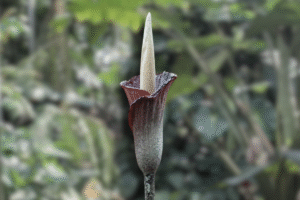
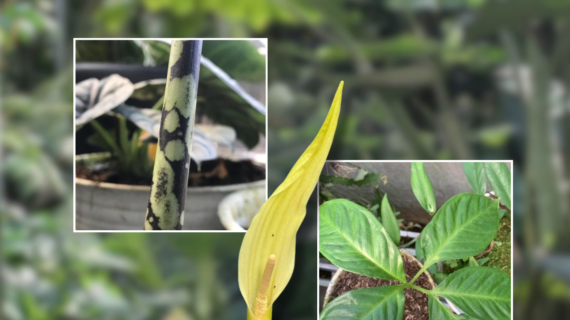
When a mature tuber eventually produces an inflorescence instead of a leaf, the event can be spectacular. Depending on the species, the inflorescence may emerge directly from the dormant tuber and develop rapidly before the next leaf cycle begins.
Watch for Common Problems
Amorphophallus is generally straightforward to grow once you understand its seasonal rhythm, but several problems appear repeatedly.
Tuber Rot
Soft, dark, or foul-smelling tissue usually indicates a serious rot problem. Poor drainage and excessive moisture are common contributors.
Leaf Scorch
Brown or bleached patches can develop when a plant receives more intense direct sunlight than it can tolerate, particularly after growing in shade.
Weak Growth
Long, weak petioles and undersized leaves may indicate insufficient light, inadequate nutrition, poor root development, or unsuitable growing conditions.
Premature Dormancy
A plant that loses its leaf unusually early may have experienced stress from drought, excessive heat, root problems, pests, or other environmental factors. Check the growing conditions before assuming that dormancy is the cause.
Enjoy the Full Growth Cycle
The appeal of Amorphophallus comes from more than its flowers. Watching a new shoot emerge from a dormant tuber, expand into an enormous leaf, and eventually disappear again is part of what makes these plants so fascinating.
With the right growing medium, suitable light, careful watering, seasonal feeding, and an understanding of dormancy, you can maintain Amorphophallus successfully for many years.
Most importantly, be patient. A small tuber may need several growing seasons before it reaches flowering size, but each season adds to its energy reserves and brings it closer to producing that extraordinary bloom.
Ready to start your collection? Explore Amorphophallus tubers and plants sourced from Indonesian growers and discover species suited to collectors interested in cultivating one of the world’s most unusual tropical aroids.