Syzygium jiewhoei
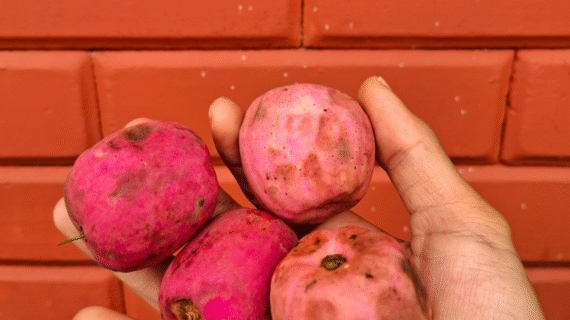
Syzygium jiewhoei is a rare tropical evergreen tree belonging to the myrtle family (Myrtaceae), valued by botanical collectors for its limited distribution and attractive ornamental characteristics. Like many members of the genus, it develops glossy evergreen foliage, produces clusters of delicate flowers with prominent stamens, and bears fleshy berries that support forest wildlife. The following guide explores its taxonomy, natural habitat, cultivation requirements, propagation methods, and the features that make this uncommon species desirable for specialized plant collections.
Taxonomy and Classification of Syzygium jiewhoei
Scientific Classification
| Rank | Classification |
|---|---|
| Kingdom | Plantae |
| Clade | Tracheophytes |
| Clade | Angiosperms |
| Clade | Eudicots |
| Clade | Rosids |
| Order | Myrtales |
| Family | Myrtaceae |
| Genus | Syzygium |
| Species | Syzygium jiewhoei |
Naming and Etymology
The genus name Syzygium originates from the Greek word syzygos, meaning “paired,” referring to the opposite leaf arrangement characteristic of many species within the genus. The specific epithet jiewhoei honors an individual who contributed to botanical research or plant collection, following the long-standing tradition of commemorating botanists, collectors, or supporters through scientific nomenclature.
Discovery and History of Syzygium jiewhoei
Syzygium jiewhoei is one of many relatively recently documented species that demonstrate the remarkable botanical diversity of Southeast Asia. Numerous Syzygium species remain poorly known outside their native habitats, reflecting the complexity of tropical forest ecosystems and the ongoing discovery of new taxa. Although this species has received limited horticultural attention, it holds scientific importance for taxonomy, biodiversity studies, and conservation while attracting collectors seeking uncommon members of the genus.
Natural Habitat of Syzygium jiewhoei
Syzygium jiewhoei is native to the humid tropical forests of Southeast Asia, where it grows in warm, consistently moist environments. It typically inhabits lowland to lower montane forests, thriving in fertile soils rich in organic matter beneath a partially shaded forest canopy.
The species experiences abundant rainfall, high atmospheric humidity, and relatively stable temperatures throughout the year. These environmental conditions support continuous evergreen growth and encourage healthy root development while protecting the plant from prolonged drought stress.
Cultivation Guide of Syzygium jiewhoei
Care
Provide bright filtered light or gentle morning sun with protection from intense afternoon exposure during establishment. Mature plants tolerate brighter conditions when gradually acclimated.
Maintain temperatures between 22–32°C (72–90°F) and humidity above 60%. This species is considered moderately easy to cultivate under tropical or greenhouse conditions, provided moisture and warmth remain consistent.
Media
Use a fertile, well-drained growing medium that balances moisture retention with aeration. A recommended mix includes:
- High-quality compost
- Coco peat
- Fine pine bark
- Perlite or pumice
- Leaf mold
The substrate should remain evenly moist without becoming waterlogged.
Fertilizer
Feed every four to six weeks during active growth using a balanced slow-release fertilizer or a diluted liquid fertilizer. Additional micronutrients benefit vigorous foliage production and overall plant health.
Reduce fertilization during periods of slower growth or cooler weather.
Watering
Water thoroughly whenever the upper portion of the growing medium begins to dry slightly. Avoid allowing the soil to dry completely, particularly while young plants establish their root systems.
Ensure good drainage to prevent root diseases caused by prolonged saturation.
Growth Cycle
As an evergreen tropical tree, Syzygium jiewhoei does not undergo true dormancy. Growth continues throughout the year under favorable conditions, with increased vegetative activity during warm, rainy periods. Mature trees produce flowers followed by fleshy fruits as they reach reproductive maturity.
Propagation of Syzygium jiewhoei
Seeds
Fresh seeds provide the highest germination success because viability declines rapidly after harvest. Sow seeds in a sterile, well-drained medium and maintain temperatures between 25–30°C (77–86°F) with consistently high humidity.
Seedlings develop steadily when supplied with bright indirect light, uniform moisture, and good air circulation.
Plants
Vegetative propagation may be achieved through semi-hardwood cuttings or air-layering, although these methods often require careful environmental control and rooting hormones to improve success rates.
Young nursery-grown plants establish readily when transplanted into fertile, well-drained media and protected from prolonged drought during their first growing season.
Maintenance Tips of Syzygium jiewhoei
Prune lightly to encourage balanced branching and remove dead or damaged growth as needed. Mulching around the root zone helps conserve soil moisture while gradually contributing organic matter.
Monitor for common tropical pests such as scale insects, mealybugs, and aphids. Maintaining good air circulation, avoiding excessive watering, and inspecting new growth regularly help prevent most cultivation problems.
Repot container-grown specimens before roots become excessively crowded, using fresh substrate to maintain long-term vigor.
What Makes Syzygium jiewhoei Special
Syzygium jiewhoei attracts collectors because of its rarity, limited horticultural availability, and representation of Southeast Asia’s exceptional tropical flora. Its glossy evergreen foliage, elegant branching habit, and potential ornamental fruiting characteristics make it valuable for botanical collections and specialized tropical gardens.
Beyond its ornamental appeal, the species contributes to the understanding of one of the largest tropical tree genera, many members of which remain insufficiently studied. Cultivating uncommon Syzygium species supports ex situ conservation while expanding appreciation for tropical forest biodiversity.
Availability and Compliance of Syzygium jiewhoei
Healthy seeds and young plants are best obtained from an Indonesian Plant Nursery specializing in rare tropical species, where propagation emphasizes accurate identification, sustainable cultivation, and healthy plant development.
As part of a curated Rare Seeds Indonesia collection, Syzygium jiewhoei is offered to collectors, botanical institutions, researchers, and enthusiasts seeking uncommon tropical trees that rarely appear in commercial horticulture.
International orders should be supplied by a Phytosanitary Certified Plant Exporter, ensuring that every shipment undergoes official plant health inspection and is accompanied by the required phytosanitary certificate. This documentation verifies compliance with international plant quarantine regulations and facilitates the legal export of seeds and live plants.
Because Syzygium jiewhoei remains uncommon both in cultivation and in the wild, propagation material is produced only in limited quantities and may be available only during seasonal harvest periods. Collectors interested in acquiring this distinctive species are encouraged to secure available stock when offered, as future availability can be unpredictable and sourcing authentic material elsewhere is often difficult.