Amorphophallus costatus
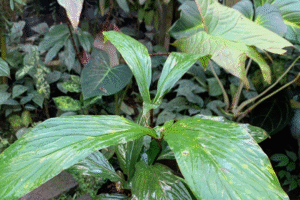
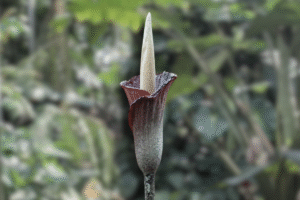
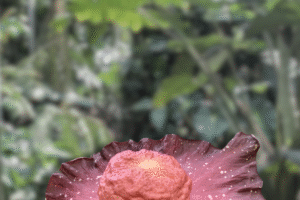
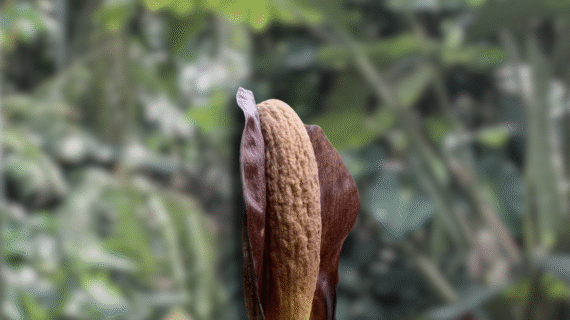
Amorphophallus costatus is a tropical geophytic aroid distinguished by its underground tuber, solitary seasonal leaf, and a striking inflorescence that emerges independently of the foliage. The species is appreciated among aroid enthusiasts for its distinctive floral morphology, botanical significance, and relatively uncommon appearance in cultivation. The following guide explores its taxonomy, natural distribution, cultivation requirements, propagation methods, long-term maintenance, and its value as a collector’s species.
Taxonomy and Classification of Amorphophallus costatus
Scientific Classification
| Rank | Classification |
|---|---|
| Kingdom | Plantae |
| Clade | Tracheophytes |
| Clade | Angiosperms |
| Clade | Monocots |
| Order | Alismatales |
| Family | Araceae |
| Subfamily | Aroideae |
| Tribe | Thomsonieae |
| Genus | Amorphophallus |
| Species | Amorphophallus costatus Engl. |
Naming and Etymology
The genus Amorphophallus originates from the Greek words amorphos meaning “without definite form” and phallosmeaning “club” or “shaft,” referring to the unusual shape of the spadix that characterizes the genus. The specific epithet costatus derives from the Latin word costatus, meaning “ribbed” or “having prominent ribs,” likely describing the conspicuous longitudinal ridges present on portions of the inflorescence or vegetative structures.
Discovery and History of Amorphophallus costatus
Amorphophallus costatus was formally described by the German botanist Adolf Engler, one of the foremost authorities on the Araceae family. Like many Southeast Asian Amorphophallus species, it was documented during botanical exploration of tropical forests where numerous geophytic aroids remained poorly understood.
Although it has not achieved the widespread recognition of larger species such as Amorphophallus titanum, A. costatus represents an important component of the genus’ remarkable diversity. Its relatively infrequent appearance in commercial horticulture has made it primarily known through botanical collections, research institutions, and specialized aroid growers.
Natural Habitat of Amorphophallus costatus
This species is native to humid tropical forests of Southeast Asia, where it grows as a terrestrial geophyte beneath dense forest canopies. It inhabits shaded woodland environments with rich organic soils that remain moist throughout the growing season while offering excellent drainage.
Natural habitats typically feature:
- High atmospheric humidity
- Warm temperatures year-round
- Filtered or dappled sunlight
- Thick layers of decomposing leaf litter
- Seasonal rainfall patterns that regulate active growth and dormancy
The underground tuber serves as an energy storage organ, allowing the plant to survive periods of seasonal drought or unfavorable environmental conditions.
Cultivation Guide of Amorphophallus costatus
Care
Amorphophallus costatus performs best under stable tropical conditions that closely resemble its native forest habitat.
Ideal growing conditions include:
- Bright indirect light or deep filtered shade
- Relative humidity above 60%
- Temperatures between 22–30°C (72–86°F)
- Good air circulation
- Protection from direct afternoon sunlight
Overall cultivation difficulty is considered moderate. While established plants are relatively resilient, careful management during dormancy and active growth significantly improves long-term performance.
Media
An airy, moisture-retentive substrate promotes healthy root development while minimizing the risk of tuber rot.
A recommended growing mix consists of:
- Fine orchid bark
- Coco chips or coco peat
- Composted leaf mold
- Perlite or pumice
- Coarse sand or lava rock
The medium should retain moderate moisture while draining rapidly after watering.
Fertilizer
During active growth, apply a balanced liquid fertilizer every two to three weeks at approximately half the manufacturer’s recommended concentration.
Organic slow-release fertilizers may also be incorporated into the growing medium early in the growth cycle to provide consistent nutrient availability. Fertilization should cease once the leaf begins to senesce and the plant enters dormancy.
Watering
Water thoroughly during active growth, allowing excess moisture to drain freely.
Maintain evenly moist—not saturated—soil while foliage remains healthy. Once the leaf naturally yellows and dies back, gradually reduce watering until the tuber remains almost completely dry throughout dormancy. Excess moisture during dormancy is the primary cause of tuber rot.
Growth Cycle
Like most members of the genus, Amorphophallus costatus exhibits a strongly seasonal growth cycle.
The annual cycle generally follows this sequence:
- Dormant tuber
- Emergence of an inflorescence or leaf
- Full vegetative growth
- Photosynthetic energy storage within the tuber
- Leaf senescence
- Return to dormancy
Flowering frequently occurs before leaf production, utilizing reserves accumulated in previous growing seasons.
Propagation of Amorphophallus costatus
Seeds
Seed propagation preserves genetic diversity and remains the preferred method for producing new individuals.
Fresh seed should be sown promptly since viability declines relatively quickly. Sow seeds in a sterile, well-drained propagation medium and maintain:
- Temperatures around 25–30°C
- Constant moisture
- High humidity
- Bright filtered light
Seedlings initially develop small tubers and gradually increase in size over successive growing seasons.
Tubers / Plants
Mature specimens may occasionally produce offsets or daughter tubers, depending on age and growing conditions.
Division should only be performed during dormancy after ensuring each division possesses healthy growing tissue. Fresh wounds should be allowed to dry before planting to reduce the likelihood of fungal infection.
Maintenance Tips of Amorphophallus costatus
Long-term success depends on understanding the plant’s natural seasonal rhythm.
Helpful maintenance practices include:
- Avoid disturbing actively growing roots.
- Repot during dormancy whenever the tuber outgrows its container.
- Inspect dormant tubers periodically for signs of fungal infection.
- Maintain adequate ventilation to discourage disease.
- Avoid excessive nitrogen fertilization, which may weaken tissue.
- Never force continuous growth by watering dormant tubers.
Respecting the annual dormancy period is essential for maintaining vigor and encouraging future flowering.
What Makes Amorphophallus costatus Special
Among collectors, Amorphophallus costatus is valued for its refined botanical characteristics rather than sheer size. The ribbed structures reflected in its species name contribute to its distinctive appearance, while its elegant inflorescence exemplifies the extraordinary floral diversity found within Amorphophallus.
Its relatively limited availability in cultivation enhances its appeal to serious aroid enthusiasts seeking species beyond the commonly cultivated ornamental selections. Like many tropical geophytes, each growth cycle reveals a unique expression of the plant’s seasonal biology, making it an engaging subject for observation and cultivation.
As a species that remains uncommon in commercial trade, A. costatus occupies a desirable place in specialized botanical collections focused on tropical Araceae.
Availability and Compliance of Amorphophallus costatus
Amorphophallus costatus is offered through an Indonesian Plant Nursery specializing in carefully cultivated tropical aroids, rare geophytes, and collector plants originating from one of the world’s richest centers of plant biodiversity.
As part of a rare seeds from Indonesia collection, available specimens are selected for botanical authenticity and healthy establishment, making them suitable for dedicated collectors, botanical gardens, research institutions, and specialty growers.
International shipments are handled by a Phytosanitary Certified Plant Exporter, meaning exported plants or propagules are accompanied by official phytosanitary certification when required by the destination country. This certification verifies that exported material has undergone inspection and complies with international plant health regulations, facilitating legal and responsible global distribution.
Because Amorphophallus costatus remains relatively uncommon in cultivation and is produced only in limited quantities as plants mature through their natural growth cycle, availability is often seasonal. Collectors seeking authentic, well-established material are encouraged to secure specimens when they become available, as replacement stock may require considerable time to produce.