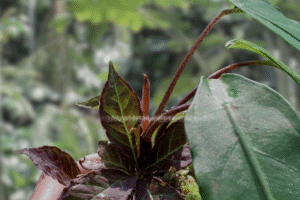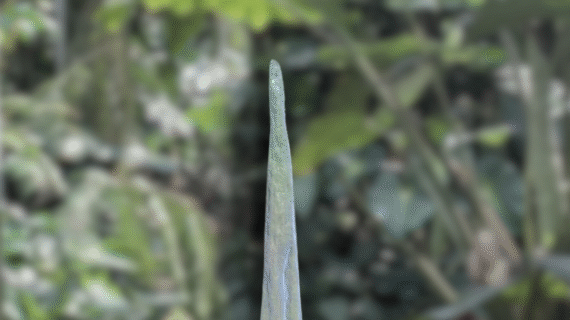
Amorphophallus lambii
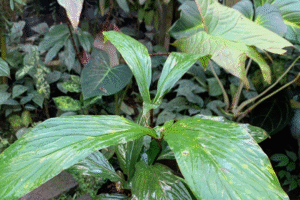
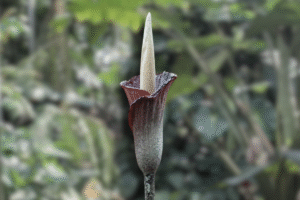
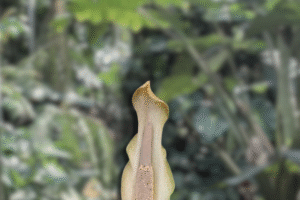
Amorphophallus lambii is a tropical geophytic aroid native to the island of Borneo, where it grows from an underground tuber beneath the humid rainforest canopy. Like other members of the genus, it produces a single umbrella-like leaf during its vegetative phase and a remarkable inflorescence during reproduction. Consequently, the species has become a subject of interest among botanists and collectors seeking uncommon tropical aroids. The following guide explores its taxonomy, natural habitat, cultivation requirements, propagation methods, and the qualities that make it a valuable addition to specialized plant collections.
Taxonomy and Classification of Amorphophallus lambii
Scientific Classification
| Rank | Classification |
|---|---|
| Kingdom | Plantae |
| Clade | Tracheophytes |
| Clade | Angiosperms |
| Clade | Monocots |
| Order | Alismatales |
| Family | Araceae |
| Subfamily | Aroideae |
| Tribe | Thomsonieae |
| Genus | Amorphophallus |
| Species | Amorphophallus lambii Ittenbach |
Naming and Etymology
The genus Amorphophallus is derived from the Greek words amorphos, meaning “without definite form,” and phallos, meaning “shaft” or “club,” referring to the distinctive shape of the spadix. Meanwhile, the specific epithet lambii honors the British botanist Anthony Lamb, whose extensive fieldwork and botanical contributions greatly advanced the understanding of Borneo’s remarkable plant diversity.
Discovery and History of Amorphophallus lambii
Amorphophallus lambii was formally described from material collected in Borneo, a region recognized as one of the world’s richest centers of tropical biodiversity. During continued botanical exploration of the island, researchers documented numerous endemic species of Amorphophallus, many of which occupy highly localized habitats.
Although A. lambii is less widely known than some of its larger relatives, it represents an important component of Borneo’s native flora. Furthermore, its relatively recent scientific recognition highlights the ongoing discovery of previously undocumented aroid diversity within Southeast Asia. As a result, the species has become increasingly appreciated by botanical institutions and specialist collectors.
Natural Habitat of Amorphophallus lambii
Amorphophallus lambii naturally occurs in the tropical rainforests of Borneo, where it grows on the shaded forest floor beneath dense tree canopies. Typically, the species inhabits deep organic soils enriched by decomposing leaf litter that provide excellent moisture retention while remaining well drained.
Its native habitat is characterized by:
- Warm tropical temperatures throughout the year
- High atmospheric humidity
- Filtered or diffused sunlight
- Humus-rich, well-drained soils
- Consistent seasonal rainfall
As a result, the underground tuber stores water and carbohydrates that sustain the plant during seasonal dormancy. Moreover, this adaptation enables the species to resume vigorous growth when environmental conditions become favorable.
Cultivation Guide of Amorphophallus lambii
Care
Amorphophallus lambii performs best when cultivated under conditions that closely resemble its native rainforest habitat. Therefore, maintaining stable humidity, warm temperatures, and filtered light is essential for healthy growth.
Recommended growing conditions include:
- Bright indirect light or partial shade
- Relative humidity above 60%, preferably 70–90%
- Temperatures between 22–30°C (72–86°F)
- Good air circulation
- Protection from direct afternoon sunlight
Overall, the species is considered moderately challenging to cultivate. Nevertheless, growers with experience growing tropical geophytic aroids can successfully maintain healthy specimens by following its natural seasonal rhythm.
Media
A loose, highly aerated growing medium promotes healthy root development while minimizing the risk of tuber rot. In addition, organic materials help recreate the structure of the rainforest floor.
A recommended substrate includes:
- Fine orchid bark
- Coco chips or coco coir
- Leaf mold or compost
- Perlite or pumice
- Coarse sand
Ideally, the medium should retain moderate moisture while allowing excess water to drain quickly.
Fertilizer
Apply a balanced liquid fertilizer every two to three weeks during active growth at approximately half the recommended concentration. Additionally, a slow-release fertilizer may be incorporated into the substrate when new shoots first emerge.
However, fertilization should cease once the foliage begins to senesce because nutrient uptake naturally declines as the plant enters dormancy.
Watering
Water thoroughly throughout the active growing season while allowing excess water to drain freely.
Maintain evenly moist soil without allowing prolonged saturation. However, once the leaf begins to yellow naturally, gradually reduce watering until the dormant tuber remains almost dry. Consequently, the likelihood of fungal diseases and tuber rot is significantly reduced.
Growth Cycle
Like most members of the genus, Amorphophallus lambii follows a predictable seasonal growth cycle. Accordingly, cultivation practices should be adjusted to match each developmental stage.
Its annual growth cycle generally includes:
- Dormant underground tuber
- Emergence of an inflorescence or vegetative shoot
- Development of a single compound leaf
- Storage of carbohydrates within the tuber
- Natural leaf senescence
- Return to dormancy
Typically, flowering occurs before leaf emergence and depends upon reserves accumulated during previous growing seasons. Thereafter, the developing leaf restores those reserves through photosynthesis until dormancy begins once again.
Propagation of Amorphophallus lambii
Seeds
Fresh seeds provide the preferred method for propagating genetically diverse plants.
To maximize germination, seeds should be cleaned and sown as soon as possible after harvest because viability gradually declines during storage. Germination is most successful under the following conditions:
- Temperatures between 25–30°C
- High humidity
- Constant moisture
- Sterile, well-drained propagation media
- Bright filtered light
Under suitable conditions, seedlings gradually develop small tubers that enlarge over successive growing seasons.
Tubers / Plants
Mature plants may occasionally produce daughter tubers or offsets, although this occurs less frequently than in some related species.
Whenever division is performed, it should be carried out during dormancy. Furthermore, each tuber division should possess a healthy growing point and be allowed to dry briefly before planting. As a result, the risk of fungal infection is reduced while successful establishment is encouraged.
Maintenance Tips of Amorphophallus lambii
Long-term cultivation success depends upon respecting the species’ natural seasonal rhythm. Therefore, routine maintenance should correspond closely with its annual growth cycle.
Recommended maintenance practices include:
- Repot only during dormancy.
- Maintain excellent drainage throughout the growing season.
- Avoid overwatering dormant tubers.
- Inspect tubers regularly for pests and signs of disease.
- Use sterilized tools when repotting or dividing tubers.
- Avoid excessive nitrogen fertilization.
By following these practices, growers can encourage healthy tuber development, vigorous foliage production, and reliable seasonal performance.
What Makes Amorphophallus lambii Special
Amorphophallus lambii is valued for its endemic origin in Borneo and its relatively limited availability in cultivation. Moreover, its elegant morphology and characteristic seasonal growth habit make it an excellent representative of the remarkable diversity found within Southeast Asian Amorphophallus.
Unlike species commonly encountered in horticulture, A. lambii remains uncommon outside specialist collections. Consequently, it appeals to collectors seeking authentic tropical aroids with strong botanical significance and a restricted natural distribution.
Availability and Compliance of Amorphophallus lambii
Amorphophallus lambii is available through an Indonesian Plant Nursery specializing in responsibly cultivated tropical plants, rare aroids, and collector-quality botanical specimens sourced from Indonesia’s extraordinary biodiversity.
Furthermore, as part of the Rare Seeds Indonesia collection, each specimen is carefully selected for accurate botanical identification, healthy establishment, and suitability for collectors, botanical gardens, conservation programs, and research institutions.
International orders are supplied by a Phytosanitary Certified Plant Exporter. Consequently, exported plants or propagules are inspected and accompanied by official phytosanitary certification whenever required by the destination country. This process helps ensure compliance with international plant health regulations while supporting legal and responsible international plant trade.
Because Amorphophallus lambii is produced only in limited quantities and follows a naturally seasonal growth cycle, availability may be restricted throughout the year. Therefore, authentic specimens are often difficult to obtain outside specialized collections, making timely acquisition advisable whenever stock becomes available.