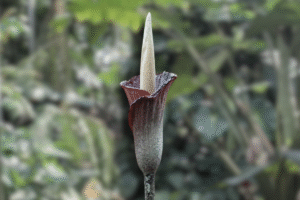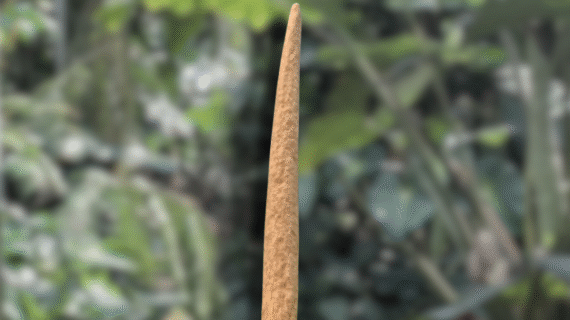
Amorphophallus variabilis
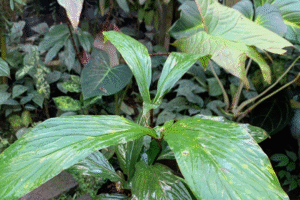
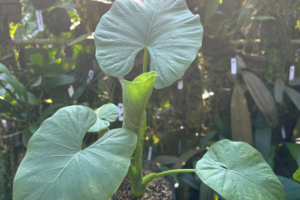
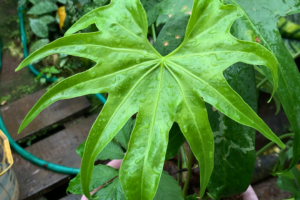
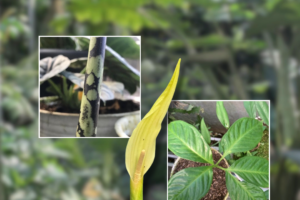
Amorphophallus variabilis is a remarkable tropical geophyte distinguished by its underground storage tuber, intricately patterned petiole, and highly variable foliage architecture. As one of Indonesia’s native members of the Araceae family, it exhibits considerable morphological diversity across its natural distribution, making individual specimens particularly fascinating for botanical study and serious collectors. The following guide explores its taxonomy, natural ecology, cultivation requirements, propagation methods, and the characteristics that make this species a prized addition to specialized aroid collections.
Taxonomy and Classification of Amorphophallus variabilis
Scientific Classification
| Rank | Classification |
|---|---|
| Kingdom | Plantae |
| Clade | Tracheophytes |
| Clade | Angiosperms |
| Clade | Monocots |
| Order | Alismatales |
| Family | Araceae |
| Subfamily | Aroideae |
| Tribe | Thomsonieae |
| Genus | Amorphophallus |
| Species | Amorphophallus variabilis Blume |
Naming and Etymology
The genus name Amorphophallus originates from the Greek words amorphos (“without definite form”) and phallos(“club” or “phallus”), referring to the unusual structure of the inflorescence characteristic of the genus. The specific epithet variabilis means “variable” or “changeable,” reflecting the remarkable diversity in leaf shape, leaflet arrangement, and vegetative characteristics observed among natural populations.
Discovery and History of Amorphophallus variabilis
Amorphophallus variabilis was formally described by the Dutch botanist Carl Ludwig Blume during his extensive studies of the flora of the Indonesian archipelago. The species has long attracted botanical interest because of its exceptional morphological plasticity, with populations displaying significant variation influenced by habitat, elevation, and local environmental conditions. Today, it remains an important species for taxonomic research within the genus and is increasingly appreciated among collectors seeking lesser-known Indonesian aroids.
Natural Habitat of Amorphophallus variabilis
This species is native to Indonesia, particularly Java and neighboring islands, where it inhabits humid tropical forests ranging from lowland woodlands to lower montane forests. It commonly grows beneath dense forest canopies in well-drained soils enriched by decomposing organic matter.
Natural habitats experience warm temperatures throughout the year, high atmospheric humidity, and distinct wet and dry seasons. During the rainy season the tuber produces a single large compound leaf that captures filtered sunlight beneath the canopy. As seasonal moisture declines, the foliage naturally senesces and the tuber enters dormancy until favorable conditions return.
Cultivation Guide of Amorphophallus variabilis
Care
Amorphophallus variabilis performs best under bright filtered light or light shade that mimics forest understory conditions. Direct afternoon sun should be avoided, as prolonged exposure may scorch the foliage.
Ideal growing temperatures range between 22–32°C (72–90°F), while humidity above 60% supports vigorous growth and healthy leaf development. The species is considered moderately easy to cultivate, making it suitable for growers with some experience maintaining tropical geophytes.
Media
A loose, highly aerated growing medium encourages healthy root formation while minimizing the risk of tuber rot. A suitable substrate may consist of:
- Fine orchid bark
- Coco chips or coconut husk
- Compost or leaf mold
- Perlite or pumice
- Coarse sand
- Small amounts of quality garden soil or loam
Excellent drainage remains the single most important factor for successful cultivation.
Fertilizer
Active growth benefits from regular feeding using a balanced liquid fertilizer diluted to half strength every two to three weeks. Slow-release fertilizers may also be incorporated at the beginning of the growing season.
As dormancy approaches and foliage begins to yellow naturally, fertilization should be discontinued until new growth emerges.
Watering
Maintain evenly moist soil throughout the active growing season while allowing excess water to drain freely. Water thoroughly once the upper layer of substrate begins to dry, avoiding constantly saturated conditions.
During dormancy, reduce watering substantially. The dormant tuber should remain only slightly dry rather than completely desiccated or excessively wet.
Growth Cycle
Like many members of the genus, Amorphophallus variabilis follows a distinct annual growth cycle. A single compound leaf typically emerges first, followed by several months of vegetative growth during which the tuber accumulates reserves.
Mature specimens may produce an inflorescence before leaf emergence under favorable conditions. Once nutrients have been stored, the foliage naturally dies back and the tuber remains dormant until the next growing season.
Propagation of Amorphophallus variabilis
Seeds
Fresh seeds generally exhibit the highest germination rates and should be sown soon after harvest in a sterile, moisture-retentive yet well-drained medium.
Maintain temperatures between 25–30°C (77–86°F) with consistently high humidity. Germination is often irregular, and seedlings develop slowly during their first years while establishing underground tubers.
Tubers / Plants
Vegetative propagation is achieved through naturally produced daughter tubers or offsets that form around mature parent tubers. Division is best performed during dormancy before new growth begins.
Each division should possess healthy storage tissue and at least one viable growth point. Newly divided tubers should be planted into fresh substrate and watered conservatively until active growth resumes.
Maintenance Tips of Amorphophallus variabilis
Long-term success depends on respecting the species’ seasonal rhythm. Dormant tubers should never be overwatered, as excess moisture is the primary cause of cultivation failure.
Repot every one to two years using fresh substrate, particularly as tubers enlarge. Inspect regularly for fungal infections, mealybugs, and root pests, while ensuring adequate air circulation around the growing area.
Avoid disturbing actively growing roots unnecessarily, and always allow foliage to senesce naturally so carbohydrates can be fully returned to the tuber for the following season.
What Makes Amorphophallus variabilis Special
Among Indonesian Amorphophallus, A. variabilis stands apart for its extraordinary variability in vegetative morphology. Individual plants may display notable differences in leaflet arrangement, coloration, petiole patterning, and overall architecture, making each specimen unique.
Its seasonal life cycle, sculptural foliage, and intriguing reproductive biology offer year-round botanical interest beyond simple ornamental appeal. Because naturally occurring populations are geographically localized and relatively infrequently cultivated outside Southeast Asia, the species remains highly desirable among collectors focused on authentic tropical geophytes and Asian aroids.
Rather than being valued solely for rarity, Amorphophallus variabilis represents an opportunity to cultivate an ecologically significant Indonesian species with genuine scientific and horticultural importance.
Availability and Compliance of Amorphophallus variabilis
Healthy specimens are best obtained from an established Indonesian Plant Nursery experienced in propagating native tropical geophytes under appropriate environmental conditions. Professional cultivation ensures accurate identification, healthy tuber development, and plants adapted for successful establishment.
As part of a carefully curated Rare Seeds Indonesia collection, Amorphophallus variabilis is selected for authenticity, horticultural quality, and collector significance. This approach supports responsible cultivation while making uncommon Indonesian flora available to enthusiasts worldwide.
International shipments should originate from a Phytosanitary Certified Plant Exporter, ensuring each exported plant complies with official agricultural inspection requirements. Phytosanitary certification verifies that plants have been examined and meet the importing country’s plant health regulations, facilitating legal and responsible international trade.
Due to its seasonal dormancy, limited propagation rate, and relatively restricted natural distribution, Amorphophallus variabilis is produced only in modest numbers. Availability can therefore fluctuate throughout the year, making well-established, correctly identified specimens considerably more difficult to source once seasonal stock has been allocated.
If you have questions or need further information regarding the species, tips on planting, complains on shipment, please contact us directly to our email admin@javaniskaelflora.com or contact our whatsapp admin for fast response. We have other species available here.