Pelagodoxa henryana: The Rare Palm Every Collector Wants
Among the world’s unusual ornamental palms, Pelagodoxa henryana stands out immediately. Instead of the familiar feather-like or fan-shaped foliage associated with many palms, this species develops large, entire leaves with a broad, almost sculptural appearance.
Native to the Marquesas Islands of French Polynesia, Pelagodoxa henryana remains an uncommon sight in cultivation. For palm collectors, however, that scarcity is part of its appeal. Growing one is not simply about adding another palm to the garden; it is an opportunity to cultivate a species with a fascinating geographic and botanical history.
A Palm With Extraordinary Foliage
The foliage is the first feature most collectors notice.
Pelagodoxa henryana produces large, undivided leaves rather than the divided fronds typical of many ornamental palms. The broad blades can develop an attractive textured or quilted appearance, giving mature specimens a distinctive architectural quality.
This unusual foliage also makes the species valuable from a landscaping perspective.
Rather than creating the feathery silhouette of a coconut or areca palm, Pelagodoxa creates a much bolder tropical presence. A mature specimen can become a dramatic focal point in a sheltered tropical garden.
Where Does Pelagodoxa henryana Come From?
Pelagodoxa henryana is native to the Marquesas Islands in French Polynesia, a remote archipelago in the central Pacific.
Its restricted natural distribution helps explain why the species remains relatively uncommon in horticulture. Island species often face particular conservation challenges because their natural populations occupy limited geographic areas.
For collectors, this makes accurate identification and responsible sourcing especially important.
A rare palm should be valued not only for its appearance but also for the botanical story behind it.
Why Is This Palm So Rare?
Several factors contribute to Pelagodoxa henryana’s rarity in cultivation.
Its natural distribution is geographically limited, while its specialized tropical requirements can make it less suitable for mainstream nursery production than more adaptable palms.
Furthermore, specialist palm seed does not always become available consistently.
As a result, collectors may encounter Pelagodoxa henryana far less often than common ornamental palms.
This scarcity has given the species a reputation as a specialty palm for dedicated collectors rather than a standard garden plant.
Growing Conditions
Pelagodoxa henryana prefers warm, humid conditions that resemble its tropical island habitat.
If you live in a frost-free tropical or subtropical climate, you can potentially grow it outdoors in a sheltered location. In cooler regions, container cultivation or a heated greenhouse may provide a better environment.
Light
Young plants generally perform well under bright filtered light or partial shade.
Avoid exposing a recently germinated seedling to intense direct sunlight, particularly during the hottest part of the day. Gradually acclimatize the plant as it becomes larger and better established.
A sheltered position beneath taller tropical vegetation can provide the type of filtered light young palms appreciate.
Temperature
Warm temperatures are essential for healthy growth.
Protect Pelagodoxa henryana from prolonged cold and especially from frost. Sudden temperature drops can also stress young plants.
If you are growing the palm in a temperate climate, maintaining a warm environment throughout the year becomes one of the biggest cultivation challenges.
Humidity
High humidity supports healthy foliage, particularly during the early stages of growth.
In dry indoor environments, a humidifier or greenhouse cabinet can help maintain more suitable conditions. However, good airflow remains important, particularly when humidity is high.
Soil and Drainage
Use a fertile growing medium that retains moisture while still draining efficiently.
The roots should have consistent access to water without remaining in stagnant conditions. Organic matter can help maintain moisture and provide nutrients, while coarse material can improve aeration and drainage.
Growing Pelagodoxa henryana From Seed
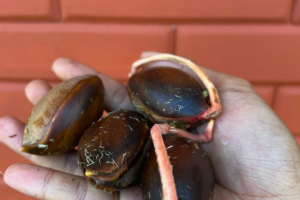
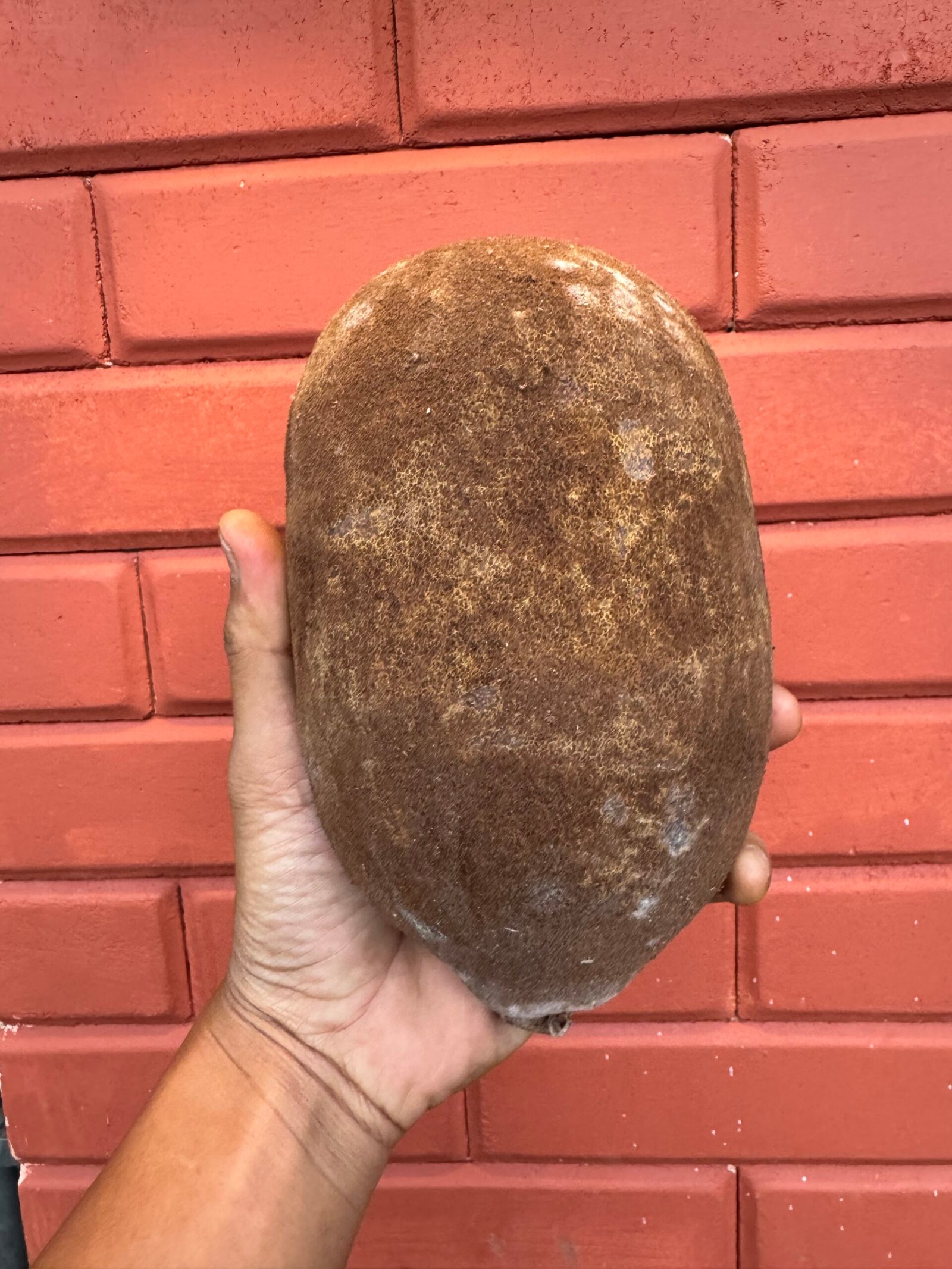
For collectors, starting Pelagodoxa henryana from seed can be an especially rewarding project.
Fresh seed is generally preferable because palm seeds can vary considerably in how well they tolerate storage. When viable seed becomes available, avoid unnecessary delays before beginning the germination process.
Plant the seed in a clean, moisture-retentive medium and maintain consistently warm conditions.
Do not allow the medium to dry completely during germination, but also avoid keeping it saturated.
Most importantly, be patient.
Palm seeds can sometimes take considerably longer to germinate than beginners expect. Constantly disturbing the seed to check for roots can do more harm than good.
Caring for Young Palms
Once the seedling emerges, continue providing warmth, moisture, and filtered light.
Young Pelagodoxa plants may appear slow compared with common nursery palms. That does not necessarily indicate a problem.
Focus on steady development rather than rapid growth.
Provide adequate nutrition once the plant is actively growing, and avoid excessive fertilizer in an attempt to accelerate development. Healthy root development and stable environmental conditions are more important than forcing rapid foliage production.
A Long-Term Collector’s Palm
Pelagodoxa henryana is better suited to collectors who enjoy long-term cultivation than gardeners looking for instant results.
Its relatively slow development means that reaching an impressive mature size can take considerable time.
However, that slow progression is also part of the experience.
Watching a rare palm develop from a single seed into a mature specimen provides a much stronger connection to the plant than simply purchasing an established ornamental palm.
Why Palm Collectors Value It
Pelagodoxa henryana combines several characteristics that make it particularly desirable among specialist collectors:
- Highly distinctive undivided foliage
- A restricted natural distribution
- Uncommon availability in general horticulture
- Strong tropical ornamental value
- Interest for specialist palm collections
- A rewarding long-term growing challenge
It is precisely the combination of rarity and visual character that makes this palm so appealing.
A collection filled with common palms can be attractive, but a successfully grown Pelagodoxa henryana immediately gives the collection something unusual.
Responsible Sourcing Matters
Because Pelagodoxa henryana has a restricted natural range, collectors should pay particular attention to provenance.
When buying seed, choose a reputable supplier that provides accurate botanical identification and transparent information about sourcing.
For international orders, also check your country’s plant-import regulations before purchasing. Depending on the destination, seeds and other plant material may require specific documentation or be subject to additional restrictions.
Responsible sourcing helps ensure that the collector market supports cultivation rather than unnecessary pressure on wild populations.
Is Pelagodoxa henryana Right for You?
This is not necessarily the palm to choose if you want rapid growth or a low-maintenance tropical specimen.
Instead, it suits collectors who appreciate unusual plants and enjoy the process of growing something uncommon over many years.
If you can provide warmth, humidity, protection from harsh conditions, and plenty of patience, Pelagodoxa henryana can become one of the most distinctive palms in your collection.
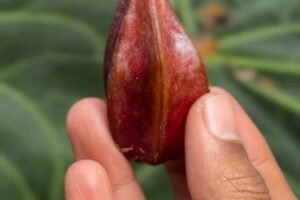
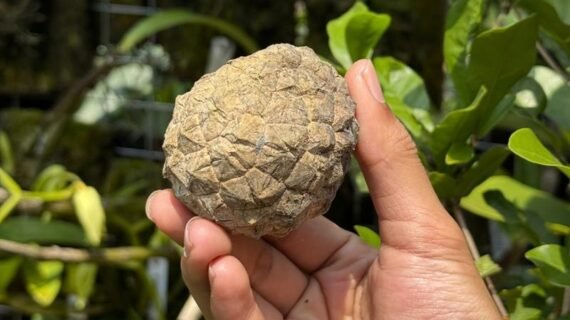
View Pelagodoxa henryana seeds and explore the opportunity to grow this remarkable Marquesan palm from seed.