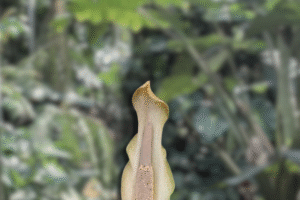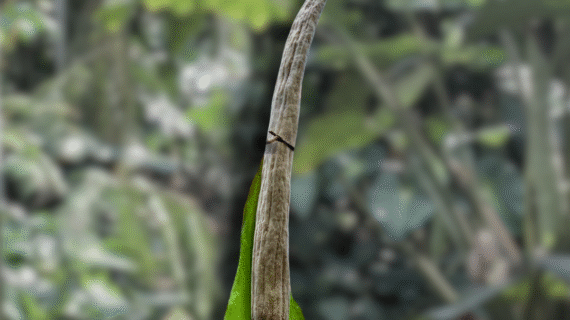
Amorphophallus asper: Rare Tropical Aroid from Sumatra for Serious Plant Collectors
Amorphophallus asper stands among the most intriguing tropical aroids originating from Indonesia. This rare species draws attention from plant collectors, botanical researchers, and aroid enthusiasts because of its unusual lifecycle, striking inflorescence structure, and limited natural distribution. Within the world of rare aroids, it holds a special place alongside other species commonly discussed in collections of Rare Aroid Plants.
For growers searching through sources such as an Indonesian Plant Nursery, this species represents both a challenge and a reward—slow-growing, highly seasonal, and deeply tied to tropical forest ecology.
 Taxonomy, Discovery, and Naming of Amorphophallus asper
Botanical Classification
Amorphophallus asper belongs to the family Araceae, a plant family known for its highly specialized inflorescences and tuberous growth habits. Like other members of its genus, it develops from a subterranean tuber (corm) and follows a strict seasonal growth rhythm.
Discovery and Scientific Description
Botanists Adolf Engler and K. Gehrmann formally described Amorphophallus asper in 1911 during early systematic studies of Southeast Asian flora. Their work focused on documenting understudied tropical plants from Indonesia, many of which were later introduced into botanical gardens and collector networks.
The species name “asper” comes from Latin, meaning “rough” or “coarse,” referring to the texture of certain plant structures observed during its classification.
Botanical Importance
This species contributes significantly to the understanding of tropical forest aroid evolution. Its adaptation to shaded, humid environments reflects ecological strategies shared among many Indonesian endemic plants, making it relevant to research institutions and collectors working with a Live Plants Exporter Indonesia that focuses on biodiversity preservation.
Why Amorphophallus asper Is Highly Valued by Collectors
Rarity and Collector Demand
Unlike widely cultivated ornamental plants, Amorphophallus asper remains rare in cultivation. It appears only in specialized collections and select propagation programs. This rarity increases its value among enthusiasts searching for Rare Seeds Indonesia and unusual tropical species.
Collectors often seek it not only for aesthetics but also for its botanical uniqueness and lifecycle complexity.
Unique Morphology
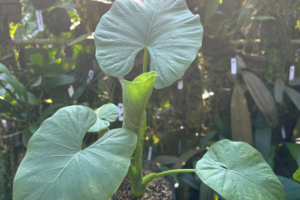
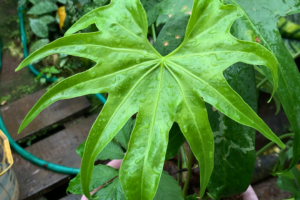
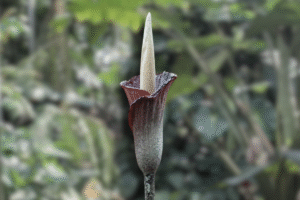
The plant produces a single, highly divided leaf per growth cycle. This leaf emerges from a tuber and resembles a small tree canopy due to its umbrella-like structure. When mature, it produces a dramatic inflorescence consisting of a spathe and spadix, typical of aroids but highly specialized in form.
Ecological Role
In its native habitat, Amorphophallus asper plays a role in forest floor ecology by contributing to nutrient cycling and providing microhabitats for insects during its flowering stage. Its adaptation to tropical understory conditions highlights its importance within Indonesian biodiversity systems often protected by conservation-oriented Phytosanitary Certified Plant Exporter networks.
Plant Structure and Lifecycle of Amorphophallus asper
Vegetative Phase: Growth Through Energy Storage
During the vegetative stage, the plant develops from a tuber that stores energy for seasonal growth. Key structures include:
- Tuber (Corm): underground storage organ responsible for survival and regrowth
- Petiole: upright stalk supporting the leaf
- Lamina: highly divided leaf blade
- Leaflets: fine divisions that maximize photosynthesis
This phase focuses entirely on energy accumulation, with one leaf typically produced per cycle.
Generative Phase: Flowering Structure
When conditions and energy reserves are sufficient, the plant enters its reproductive phase. The inflorescence consists of:
- Spathe: outer modified leaf that encloses the flower structure
- Spadix: central spike carrying reproductive zones
- Female flowers: located at the lower region
- Male flowers: positioned above female zone
- Appendix: sterile top section often involved in scent or heat production
This complex structure allows pollination by specialized insects adapted to tropical forest ecosystems.
Lifecycle Overview
The lifecycle of Amorphophallus asper follows a repeating seasonal pattern:
- Seed germination
- Juvenile tuber formation
- Single-leaf growth cycles
- Dormancy period
- Mature tuber development
- Flowering stage (rare and energy-dependent)
This slow progression makes it highly desirable among collectors of [LINK: Rare Aroid Plants].
How to Cultivate Amorphophallus asper from Seed to Mature Plant
Germination Stage
Seeds should be germinated in a warm, humid environment with temperatures between 24–30°C. Indirect light is essential, as direct sunlight can damage early growth stages. A well-balanced substrate supports germination and early root development.
Recommended Growing Media
A suitable mix includes:
- Cocopeat for moisture retention
- Perlite or pumice for aeration
- Organic compost for nutrients
- Orchid bark for structure
This combination ensures proper drainage while maintaining humidity balance.
Growth Development Stage
Once germinated, the plant develops its first tuber and produces a single leaf per cycle. Each growth cycle strengthens the tuber, gradually preparing the plant for maturity.
Watering Requirements
Use low-mineral water such as rainwater whenever possible. Maintain moisture during active growth but reduce watering significantly during dormancy. Overwatering is one of the most common causes of tuber failure.
Fertilizer Strategy
- Early growth: balanced NPK fertilizer
- Leaf development: higher nitrogen support
- Tuber formation: increased potassium levels
Light feeding every 2–3 weeks promotes steady development without stressing the tuber system.
Climate Requirements
- Temperature: 22–30°C
- Humidity: 70–90%
- Light: bright indirect shade
These conditions replicate its natural tropical forest environment.
Dormancy Management
During dormancy, the plant naturally dies back to its tuber. At this stage:
- Stop fertilizing
- Reduce watering significantly
- Store in slightly moist, airy substrate
Proper dormancy management ensures strong regrowth in the next cycle.
Ethical Sourcing and Legal Cultivation Practices
Because of its rarity, Amorphophallus asper should always be sourced responsibly. Ethical propagation protects wild populations and supports conservation efforts in Indonesia’s tropical forests.
Growers should prioritize material from an Indonesian Plant Nursery that propagates plants from cultivated stock rather than wild collection. This ensures sustainability and genetic preservation.
For international trade, sourcing through a Live Plants Exporter Indonesia that provides phytosanitary documentation ensures compliance with global regulations. Verified suppliers may list this species under Tropical Seeds For Sale or Rare Houseplants Indonesia, but buyers should always confirm legal origin.
A certified Phytosanitary Certified Plant Exporter guarantees that plants meet international plant health standards, reducing risks of pest transmission and ensuring safe export practices.
Conclusion: A Collector’s Species with Botanical Depth
Amorphophallus asper represents more than a rare tropical plant—it reflects the complexity of Indonesia’s botanical heritage. Its slow growth, specialized structure, and ecological importance make it a standout species for serious collectors and researchers.
For enthusiasts building a rare aroid collection, it offers a rewarding challenge, especially when sourced ethically through trusted plant networks and professional propagation systems.
If you have questions or need further information regarding the species, tips on planting, complains on shipment, please contact us directly to our email admin@javaniskaelflora.com or contact our whatsapp admin for fast response. We have other species available here.