Best Rare Plants for Indoor Growers in Temperate Climates
Living outside the tropics does not mean you have to give up on rare tropical plants. In fact, many collectors successfully grow unusual aroids and other tropical species indoors, even when outdoor temperatures drop well below their plants’ preferred range.
The key is not simply choosing a rare species. Instead, choose plants that can adapt to your available space and then create a stable indoor environment around their needs.
With the right combination of light, warmth, humidity, and careful watering, a small indoor collection can become surprisingly diverse.
Start With Compact Aroids
Compact aroids are often among the easiest rare tropical plants to introduce into a temperate home.
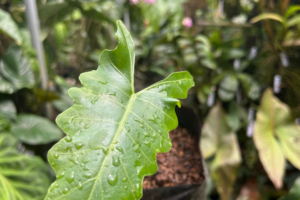
Many smaller Anthurium and Alocasia species naturally grow beneath tropical forest canopies, where they receive filtered light rather than intense midday sun. As a result, they can adapt well to bright indoor spaces.
However, indoor light is often considerably weaker than it appears to our eyes. A room may look bright to you while providing insufficient light for vigorous tropical growth.
Therefore, place plants close to a bright window or supplement natural light with a suitable grow light.
Anthurium Can Make Excellent Indoor Specimens
Many Anthurium species are particularly attractive to indoor collectors because they combine unusual foliage with relatively manageable growth habits.
Velvet-leaf species can develop impressive foliage without immediately demanding enormous amounts of space. With suitable humidity, warmth, and an airy growing medium, they can become excellent long-term indoor specimens.
Keep in mind that Anthurium requirements vary considerably between species. A terrestrial species may behave very differently from an epiphytic or semi-epiphytic one.
Before purchasing, research the particular species rather than applying one care routine to the entire genus.
Consider Amorphophallus for Seasonal Interest
Amorphophallus offers an interesting advantage for indoor growers: dormancy.
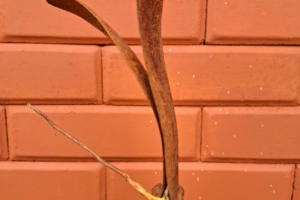
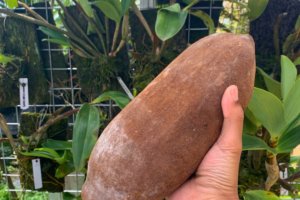
Many species naturally produce a leaf during the growing season and then retreat underground when the foliage dies back. During dormancy, the tuber requires considerably less space and light than it does while actively growing.
For collectors with limited indoor space, this seasonal cycle can be useful.
However, do not mistake dormancy for plant failure.
When the leaf naturally dies back, reduce watering according to the species’ requirements and allow the tuber to rest. Once the next growing cycle begins, gradually resume appropriate care.
Understanding this cycle makes Amorphophallus much less intimidating for beginners.
Choose Plants That Match Your Available Space
Space can become a major limitation when growing tropical plants indoors.
A young plant may look perfectly manageable when you purchase it, but some species eventually develop enormous leaves or require substantial vertical space.
Therefore, research mature size before buying.
If you have limited room, prioritize compact species, juvenile plants, or species that naturally maintain a smaller growth habit.
This approach allows you to build a larger and more diverse collection without constantly running out of space.
Supplemental Lighting Can Make a Huge Difference
Light is often the biggest challenge for tropical plants grown in temperate climates.
Winter can bring shorter days and significantly lower light intensity, particularly for collectors growing far from the equator.
A quality grow light can bridge that gap.
Position the light according to the manufacturer’s recommended distance and adjust the duration according to the needs of your plants. Avoid assuming that stronger light is always better; species adapted to shaded forest conditions can still suffer from excessive intensity.
The goal is consistent, appropriate light rather than maximum brightness.
Keep Temperatures Stable
Tropical plants generally perform best when temperatures remain relatively stable.
Avoid placing them directly beside cold windows, heating vents, air conditioners, or drafty doors. Sudden temperature fluctuations can stress plants even when the average room temperature appears acceptable.
During winter, pay particular attention to nighttime temperatures.
Some tropical species tolerate brief temperature reductions, while others can experience significant damage when exposed to prolonged cold.
Before purchasing an unusual species, check its temperature requirements and decide whether your indoor space can realistically provide them.
Manage Indoor Humidity
Temperate homes can become extremely dry during winter, especially when central heating operates continuously.
That dry air can create problems for tropical species accustomed to humid forest environments.
Grouping plants together can create a slightly more humid microclimate. A humidifier can provide a more consistent solution for larger collections.
However, humidity should not come at the expense of airflow.
A warm, constantly wet environment with poor circulation can encourage fungal and bacterial problems. Therefore, aim for a balance between humidity and ventilation.
Water According to the Plant, Not the Calendar
Indoor tropical plants do not always need watering on a fixed schedule.
Temperature, light, humidity, pot size, growing medium, and plant activity all influence how quickly the soil dries.
During winter, reduced light and cooler temperatures can slow growth and water consumption. Continuing a summer watering routine under those conditions can easily lead to overwatering.
Instead, check the growing medium and the plant’s current growth stage before watering.
Species with active growth may need consistent moisture, while dormant plants such as Amorphophallus may require significantly less.
Start With Smaller Plants
If you are new to indoor tropical growing, smaller plants can provide an excellent starting point.
They usually require less space, are easier to position under grow lights, and allow you to learn the plant’s behavior before committing to a large specimen.
Small plants can also be easier to acclimatize after international shipping because you can control their environment more closely.
Once you understand what works in your space, you can gradually move toward larger and more demanding collector specimens.
Create a Simple Indoor Growing Zone
You do not need a professional greenhouse to grow rare tropical plants indoors.
A basic setup might include:
- A bright window or quality grow light
- Stable room temperatures
- A humidifier if the air is particularly dry
- An airy, well-draining growing medium
- Good airflow
- Shelving or plant stands
- A simple watering and feeding routine
As your collection grows, you can upgrade the setup with a grow tent, greenhouse cabinet, automated lighting, or environmental monitoring.
Start with the essentials rather than buying expensive equipment immediately.
Which Rare Tropical Plants Are Best for Beginners?
For temperate-climate indoor growers, a sensible starting point is usually a combination of manageable size and relatively adaptable growth.
Consider exploring:
- Compact Anthurium species
- Smaller Alocasia species
- Selected Amorphophallus grown from tubers
- Other shade-tolerant tropical aroids
- Small juvenile specimens that can gradually acclimatize to your indoor conditions
The exact choice should still depend on your temperature, humidity, light, and available space.
A plant described as “easy” in a tropical greenhouse may behave very differently inside a dry, cool home.
Build Your Collection Gradually
The best rare plants for indoor growing are not necessarily the rarest plants available. They are the species that match your environment and your ability to care for them consistently.
Start with a few manageable specimens. Learn how they respond to your indoor conditions, then expand as your experience grows.
Over time, you can create a highly specialized collection without living in a tropical climate.
Explore our Small Plants collection and find manageable tropical specimens that can provide a strong starting point for an indoor rare plant collection.