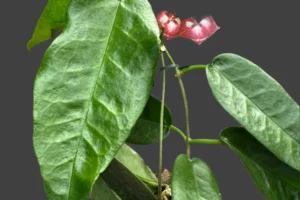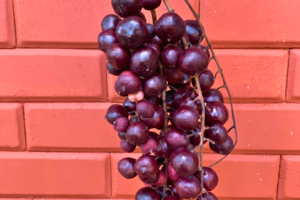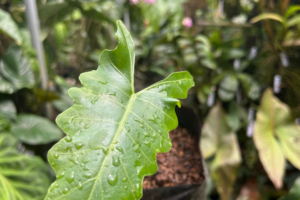
Tubers vs Seeds vs Live Plants: Which Should You Buy First?
When you start collecting rare tropical plants, one question usually appears sooner or later: should you buy seeds, a tuber, or an established live plant?
There is no universal answer. Each option offers a different balance of cost, speed, risk, and growing experience. Therefore, the best choice depends on what you want from your collection and how much time you are willing to invest.
Whether you want to watch a rare species develop from its earliest stage or simply bring home an impressive specimen, understanding the differences can help you make a smarter purchase.
Seeds: The Most Affordable Starting Point
For many collectors, seeds provide the most accessible way to start with a rare species.
They typically cost less than established plants, making it possible to experiment with species that might otherwise be outside your budget. More importantly, growing from seed lets you experience the plant’s entire development.
You get to see germination, juvenile growth, root development, leaf changes, and eventually maturity.
That journey can be extremely rewarding.
However, seeds also require the most patience. Some tropical species germinate quickly, while others can take weeks or months. Even after germination, the plant may require several years to reach a mature or flowering stage.
There is also greater uncertainty. Germination rates vary, and young seedlings can be sensitive to changes in temperature, moisture, light, and humidity.
Seeds Are Best For:
- Collectors working with a limited budget
- Growers who enjoy propagation
- People interested in the complete plant life cycle
- Experienced growers looking for unusual species
- Collectors willing to wait for long-term results
If the process itself is part of the enjoyment, seeds can be the most rewarding choice.
Tubers: The Middle Ground
Tubers offer an interesting compromise between seeds and established plants.
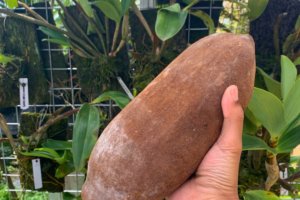
Many Amorphophallus and other geophytic plants naturally store energy in underground tubers. Instead of starting with a tiny seed, you begin with a developed storage organ that already contains resources for future growth.
As a result, tubers can give you a significant head start.
Small tubers may still require several growing seasons before reaching impressive proportions, while larger specimens can produce substantial growth much sooner.
Tubers also come in different sizes, from small juvenile material to large specimens approaching mother-plant size. This gives collectors more flexibility when choosing how much to invest.
However, tubers still require careful handling. Rot, dehydration, physical damage, and inappropriate storage can all affect their performance.
Tubers Are Best For:
- Collectors who want faster results than seeds provide
- Growers interested in geophytic species
- Buyers seeking a balance between price and size
- Collectors who enjoy watching seasonal growth cycles
- Growers with some propagation experience
For many rare aroids, tubers represent one of the most satisfying ways to build a collection.
Live Plants: The Fastest Route to a Specimen
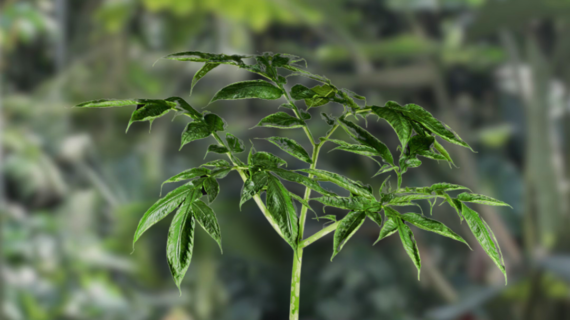
If your priority is immediate visual impact, an established live plant is usually the easiest option.
Instead of waiting for germination or allowing a small tuber to develop, you receive a plant that has already passed through part of its early growth stage.
You can also inspect the plant’s current leaf form, growth habit, size, and overall condition before purchasing. This provides a level of predictability that seeds cannot offer.
However, that convenience comes with a higher price.
Established plants also require careful acclimatization after shipping. A plant that has spent several days in a box may need time to adjust to its new temperature, humidity, light, and watering conditions.
Therefore, buying a live plant reduces some of the uncertainty of propagation, but it does not eliminate the need for proper care.
Live Plants Are Best For:
- Collectors who want immediate results
- Beginners who are not yet comfortable germinating seeds
- Buyers who want to see the plant’s existing characteristics
- Collectors willing to invest more for convenience
- Growers looking for larger specimens
Tubers vs Seeds vs Live Plants at a Glance
| Option | Cost | Speed | Difficulty | Best For |
|---|---|---|---|---|
| Seeds | Lower | Slowest | Higher | Patient collectors |
| Tubers | Moderate | Medium | Moderate | Balanced approach |
| Live plants | Higher | Fastest | Lower initially | Immediate results |
Of course, these categories are general. A particularly difficult seed may require more skill than a tuber, while a freshly imported live plant may require more careful acclimatization than an established specimen already growing in similar conditions.
Which Option Is Best for Beginners?
If you are completely new to rare plants, an established live plant can provide the easiest introduction.
You can focus on learning the species’ care requirements without adding germination to the challenge. Once you become comfortable maintaining the plant, you can experiment with seeds or tubers.
However, that does not mean beginners should avoid seeds.
If you enjoy experimentation and do not mind losing a few seeds while learning, starting from seed can be an excellent educational experience. Just choose species with relatively straightforward germination requirements rather than beginning with the most demanding species available.
Which Option Gives the Best Value?
That depends on how you define value.
Seeds usually offer the lowest initial cost, but they require the greatest investment of time. Live plants cost more, but they give you immediate growth and greater certainty about what you are purchasing.
Tubers sit between the two.
They can provide a developed starting point without the price of a large established specimen, particularly when you are collecting plants that naturally grow from underground storage organs.
Therefore, the best financial choice is not always the cheapest product. Consider the total time, care, equipment, and patience required to reach the result you actually want.
Consider Your Growing Environment
Your environment should also influence your decision.
A tiny seedling may be easier to protect inside a controlled propagation setup, while a large live plant may immediately require more space, light, and humidity.
Likewise, dormant tubers can sometimes be easier to transport and store than actively growing plants, depending on the species.
Before buying, consider:
- Available growing space
- Temperature
- Humidity
- Light levels
- Your propagation experience
- Time available for plant care
- How quickly you want visible results
Choosing a product that matches your environment will usually produce better results than simply choosing the largest specimen you can afford.
Choose the Path That Matches Your Goals
So, tubers vs seeds vs live plants—which should you buy first?
Choose seeds if you value affordability and enjoy the complete growing journey.
Choose tubers if you want a balance between cost and development speed, particularly for species that naturally grow from underground storage organs.
Choose live plants if you want a more immediate result and prefer to start with an established specimen.
There is also no reason to choose only one. Many serious collectors eventually use all three approaches, growing some species from seed, expanding others through tubers, and purchasing established plants when they want a mature specimen quickly.
The most important thing is to choose the starting material that fits your budget, experience, environment, and patience.
Explore our rare tropical seed collection, browse available tubers, or view live plants and choose the path that best fits your collection goals.