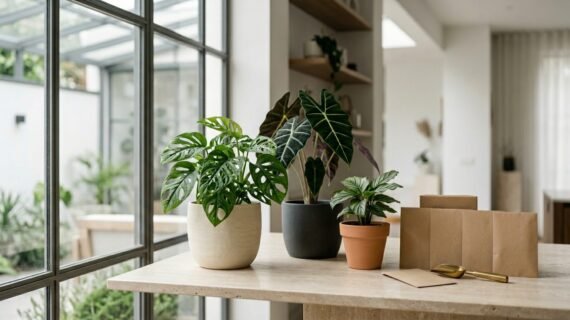
From Nursery to Doorstep: How Javaniska Elflora Packs and Ships Your Plants
Ordering a rare tropical plant from another country is more than clicking “buy” and waiting for a parcel to arrive. Behind every successful shipment, there is a careful process that starts at the nursery and continues until the package reaches its destination.
So, how Javaniska Elflora ships plants? From selecting healthy material to preparing export documentation and packaging each order for international transit, every stage matters.
Step 1: We Inspect Every Plant Before Shipping
Before a plant leaves the nursery, we inspect its overall condition carefully.
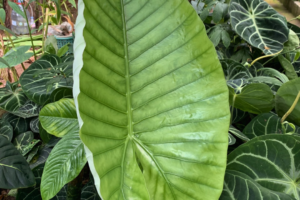
We check the foliage, stems, roots, growing medium, and general health while also looking for visible signs of pests or disease. This gives us an opportunity to identify potential problems before the plant enters the shipping process.
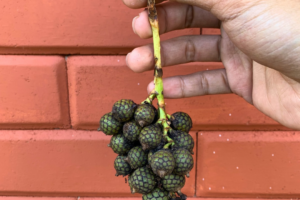
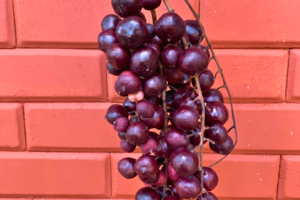
For seeds and tubers, we also check the material carefully and select suitable specimens for export.
After all, the journey starts with the quality of the plant itself.
Step 2: We Prepare the Required Documentation
Once the order is ready, we look at the documentation required for its destination.
International plant shipments can involve different requirements depending on the country, species, and type of plant material. Consequently, preparation does not follow exactly the same process for every order.
When required, we work through the appropriate Indonesian plant quarantine procedures to obtain a phytosanitary certificate.
This certificate provides official confirmation that the shipment has undergone the required plant-health inspection for international export.
Step 3: We Prepare the Plant for Its Journey
Next comes one of the most important stages: packaging.
A plant can be perfectly healthy when it leaves the nursery, but poor preparation can create unnecessary stress during transit.
Therefore, we select packaging methods according to the type of material being shipped.
Seeds, tubers, and live plants each have different requirements. Rather than treating every order the same way, we consider factors such as:
- Plant type and size
- Root condition
- Moisture requirements
- Expected transit time
- Destination climate
- Handling during transportation
The goal is to create a package that protects the plant while maintaining an appropriate balance of moisture, stability, and ventilation.
Step 4: We Use Export-Standard Packaging
International shipping can expose plants to changing temperatures, handling, delays, and different environmental conditions.
For that reason, packaging needs to do more than simply keep the plant inside the box.
We use export-standard materials designed to help protect the plant throughout transit. Where appropriate, we secure the plant carefully so that movement inside the package does not cause unnecessary damage.
We also avoid excessive moisture, since a sealed package that stays wet for too long can create its own problems.
The right balance depends on the species and the type of material being shipped.
Step 5: The Shipment Begins Its International Journey
Once the order has been prepared and the required documentation is complete, it moves into the international shipping process.
At this stage, the package may pass through several handling points before reaching its destination. Customs and plant quarantine authorities may also inspect the shipment when it enters the destination country.
Consequently, delivery times can vary.
A shipment may move quickly through one country while taking considerably longer in another because of local customs procedures.
This is one reason we encourage buyers to understand their country’s import requirements before placing an order.
Step 6: Customs Clearance Depends on the Destination
This part of the process is particularly important for international buyers.
Javaniska Elflora can prepare the shipment according to applicable export requirements, but the destination country’s authorities ultimately control what enters their country.
Depending on the destination, customs or plant quarantine officials may:
- Inspect the package
- Check the phytosanitary certificate
- Request an import permit
- Verify the species
- Hold the shipment temporarily
- Apply additional import requirements
Therefore, buyers should always check their local regulations before ordering.
Step 7: Your Role as the Buyer
A successful international shipment works best when both sides prepare properly.
Before placing your order, check whether your country requires an import permit or additional documentation. If you discover specific requirements, tell us before the order ships.
This information allows us to prepare the shipment more appropriately and can help prevent avoidable complications later.
The more clearly we understand the destination requirements, the easier it becomes to prepare the order correctly.
What Happens After the Plant Arrives?
When your package reaches you, unpack it carefully and inspect the plant as soon as possible.
International transportation can be stressful even when the shipment has been packed correctly. Some plants may arrive with minor leaf damage, temporary drooping, or other signs of transit stress.
That does not necessarily mean something has gone wrong.
Give the plant time to acclimate. Provide stable conditions, appropriate light, and suitable humidity rather than immediately making major changes such as aggressive repotting or heavy fertilization.
In many cases, patience during the first few weeks makes a significant difference.
Why Every Shipment Requires Care
Rare tropical plants are not ordinary products.
A collector may have spent months searching for a particular species, and the plant itself may have taken years to reach a suitable size. That makes the journey from nursery to collector especially important.
From the initial health inspection to documentation, packaging, shipping, and acclimation, every stage contributes to the final experience.
From Indonesia to Collectors Worldwide
So, how Javaniska Elflora ships plants comes down to careful preparation at every stage.
We inspect the material, prepare applicable documentation, package each order according to its needs, and send it through international shipping channels with the goal of giving every plant the best possible journey.
At the same time, buyers play an important role by checking their country’s import requirements and communicating any special conditions before shipment.
Together, these steps make international plant collecting much more straightforward.
Ready to see what is currently available? Explore the Javaniska Elflora shop and discover rare tropical plants, seeds, and tubers prepared for collectors around the world.